
Viajes a medida a Jamaica
Reggae, jerk chicken, and the bluest waters in the Caribbean.
¿Qué es un viaje a medida a Jamaica?
Jamaica offers four distinct experiences: Seven Mile Beach Negril (sunset, Caribbean calm water), Blue Mountain Peak hike (3:30 a.m. departure, 2,256 m summit), Kingston music heritage (Trenchtown Culture Yard, Tuff Gong Studio), and Pelican Bar offshore sandbar. Fly into Montego Bay (MBJ) for beach access, Kingston (KIN) for culture. Best season: December–April. Hurricane season August–October brings real risk.
Jamaica (population 2.9 million, 10,991 km²) is the third-largest island in the Caribbean and the birthplace of reggae music, Rastafarianism, and Blue Mountain coffee — three exports that have had disproportionate global cultural influence for a small island nation. The Blue Mountains (the central spine, peaking at Blue Mountain Peak at 2,256 m — the highest peak in the Caribbean outside Cuba) produce one of the most expensive coffees in the world: the Jamaican Blue Mountain Coffee, grown at 900–1,500 m in mineral-rich volcanic soil, receives rainfall from both the north and south sides of the range, and is sold primarily to Japan (80% of the harvest goes to Japanese buyers, which is why genuine Blue Mountain coffee at origin is USD 50–80/lb). The Blue Mountain Peak summit hike (departs Whitfield Hall Lodge, 3:30 a.m. for the sunrise at the 5-6 hour summit arrival at 6:30 a.m.) is the defining mountain experience in the Caribbean.
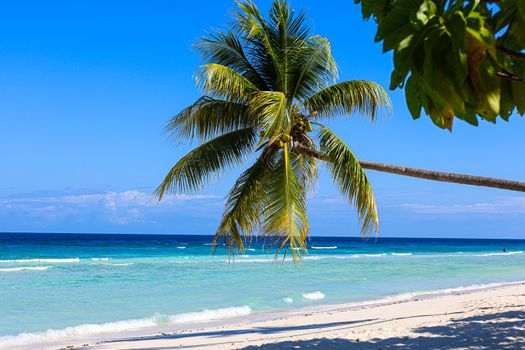
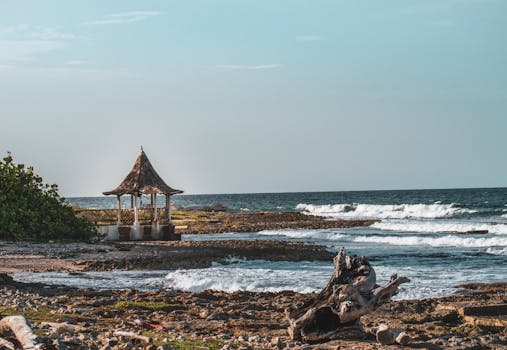
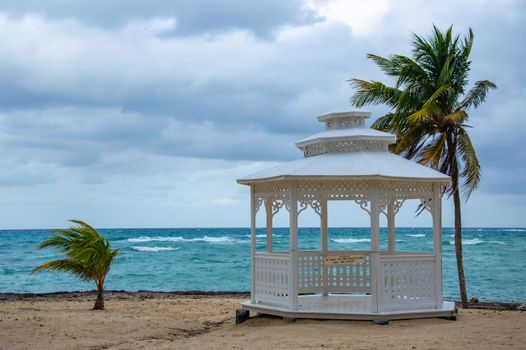
The Jamaican coast varies dramatically by region: the north coast (Ocho Rios, Negril, Montego Bay) faces calm Caribbean Sea with reef-protected turquoise water; the south coast faces the open Atlantic with rougher conditions but includes Pelican Bar (a hand-built driftwood bar on a sandbar 1 km offshore from Great Bay, accessible by fishing boat) and the Black River Safari (the Black River estuary, Jamaica's longest river, with American crocodile populations — Crocodylus acutus, not aggressive in this habitat — visible on guided motorboat tours). Negril's Seven Mile Beach (on the northwestern tip) is the most consistently beautiful beach in Jamaica: the 11-km straight beach of white sand faces west for Caribbean sunsets, backed by the cliff-top restaurant strip from which cliff-diving occurs throughout the day.
Jamaica's music geography is specific: Bob Marley was born in Nine Mile, St. Ann Parish (the Bob Marley Mausoleum, 3-hour drive from Kingston, USD 15, guided tour, open daily) and recorded in Kingston — Studio One (13 Brentford Road, Kingston, the Clement 'Coxsone' Dodd studio that launched ska and rocksteady, predecessor to reggae, semi-accessible to visitors) and later at Tuff Gong Recording Studio (220 Marcus Garvey Drive, Kingston, USD 30 guided tour, Bob Marley's personal studio, still operating). The Kingston music scene — the dancehall sound systems in Arnett Gardens and Trenchtown, the Trenchtown Culture Yard (6–8 Greenwich Park Road, the yard where Marley, Peter Tosh, and Bunny Livingston grew up together, USD 10) — is the authentic origin point of reggae.
¿Cuándo es la mejor época para visitar Jamaica?
Nuestros meses recomendados son December–April. Aquí una vista mensual con notas de planificación.
Las mejores experiencias en Jamaica
Momentos seleccionados por nuestras agencias locales. Cada viaje incluye una selección de estas — o algo mejor si lo encontramos.
Itinerarios de muestra
Dos puntos de partida — tu itinerario real es a medida. Construimos desde aquí.
7 días clásico
- 1Día 1: Arrival Montego Bay & Negril TransferFly into Sangster International Airport, Montego Bay (MBJ). Transfer to Negril (90 km west, 2 hours by shared route taxi USD 10–15 or private transfer USD 40–60). Negril's Seven Mile Beach: check in to a cliff-top or beachside property — the Norman Manley Boulevard (the beach road) has resorts from all-inclusive (Couples Swept Away, Sandals) to independent guesthouses (Rockhouse Hotel, the boutique cliff-top property with a pool carved into the coral cliff, USD 150–220/night). First evening: walk the cliff side at sunset (from Rick's Café southward) — the cliff-diving shows operate until dark (cliff heights 6–9 m, the dives are genuine and crowd-sourced, USD 2 contribution appreciated). Rick's Café (West End Road, opens 11 a.m.) is the most famous sunset spot — crowded and overpriced, but the cliff diving and the view are worth the Jamaican beer at USD 4.
- 2Día 2: Seven Mile Beach & Negril Marine ParkNegril's Seven Mile Beach at 7 a.m. (before the resort beach vendors arrive at 9 a.m.): the 11-km stretch of white sand faces west — the water is flat and turquoise in the morning before the afternoon east trade wind picks up, the beach empty enough to walk the full length. The Negril Marine Park (the reef along the West End): snorkelling accessible from the cliff-top entry points on the West End Road (free if you have gear, USD 5–10 gear rental from the cliff steps). The Negril Lighthouse (1894, free exterior access, West End Rd): the southernmost point of Negril's cliff section. Jerk chicken at a roadside drum: the highway between Negril and Savanna-la-Mar has roadside jerk drum vendors from noon — USD 6–8 for half a jerk chicken with festival (the fried cornmeal dough) and hard dough bread.
- 3Día 3: Black River & Pelican BarDrive or arrange a day trip (90 km east to the south coast): Black River Safari (Black River town, multiple operators, USD 20–30, 90-minute motorboat tour): the Black River estuary, Jamaica's longest river (53 km), has one of the largest American crocodile (Crocodylus acutus) populations in the Caribbean — 300+ crocodiles in the mangrove estuary, visible from the boat at 2–5 metre range. The guide approaches the large males on the banks (maximum 4.5 m) — do not dangle hands. The mangrove ecosystem also contains egrets, osprey, and the Jamaican lizard-cuckoo. Pelican Bar (accessible by fishing boat from Great Bay, 12 km east of Black River, USD 10–15 round-trip boat, 10-minute crossing): the hand-built driftwood bar on a sandbar 1 km offshore, constructed in 2001 by Floyd Forbes — two floors of salvaged wood, cold Red Stripe beer, and fish escovitch served to visitors arriving by boat on the open Caribbean.
- 4Día 4: Blue Mountains — Coffee & HikingDrive from Kingston or Ocho Rios to the Blue Mountains (3–4 hours from Negril): Old Tavern Coffee Estate (Gordon Town, Blue Mountains, USD 20 guided tour including coffee tasting, book ahead) or Craighton Estate (USD 25, managed by UCC Japan, showing the Japanese connection to Blue Mountain coffee — the 4WD road up is steep). The Irish Town area (800 m): the coffee farms in the middle elevations, the strawberry fields (the cool climate produces strawberries from November–March), and the view across Kingston Harbour from the mountain road. If doing the Blue Mountain Peak hike: drive to Whitfield Hall Lodge (1,220 m) and depart at 3:30 a.m. (USD 20–30 guide fee, mandatory). The 5–6 hour ascent reaches the 2,256 m summit at sunrise — on clear days, Cuba is visible 144 km north across the sea.
- 5Día 5: Kingston — Reggae HeritageDrive or fly to Kingston (KIN, 1-hour flight from MBJ or 3-hour drive from Negril). Trenchtown Culture Yard (6–8 Greenwich Park Road, USD 10, Mon–Sat 9 a.m.–5 p.m.): the government yard where Bob Marley, Peter Tosh, and Bunny Livingston lived together in the 1960s as the Trenchtown government housing estate — the original communal cooking area, the rehearsal spaces, and the artefacts from the Wailers' early years. Tuff Gong Recording Studio (220 Marcus Garvey Drive, USD 30 guided tour, call ahead to book — the studio is active and tours work around recording sessions): Bob Marley's personal studio, the original Tuff Gong pressing plant, and the museum space with original memorabilia. Bob Marley Museum (56 Hope Road, USD 20, Mon–Sat 9:30 a.m.–4 p.m.): the 1972–1981 Marley residence and Island Records Jamaica office — the bullet hole in the kitchen wall from the 1976 assassination attempt is preserved.
- 6Día 6: Nine Mile & Bob Marley MausoleumNine Mile village, St. Ann Parish (3 hours north of Kingston on B3 through the central highlands): Bob Marley's birthplace and mausoleum. The Bob Marley Mausoleum (USD 15, open daily 9 a.m.–5 p.m., guided tour 30 minutes): the mausoleum built over the house where Marley was born February 6, 1945, and where he was buried May 1981. The 'Zion Rock' (the large rock behind the house where Marley meditated, described in lyrics to 'Ride Natty Ride'), the Ethiopian Coptic church and his crypt (his guitar is entombed with him). The tour guides are invariably family members or community elders who provide personal memories. Return to Kingston or Ocho Rios for the night.
- 7Día 7: Ocho Rios & DepartureOcho Rios (the north coast town, 90 km north of Kingston): Dunn's River Falls (USD 30, opens 8 a.m., the tiered limestone waterfall climbing in steps from the beach to 55 m — visitors climb the falls in a human chain with a guide, a tourist experience with genuine spectacle behind it). Avoid the 9:30 a.m.–1 p.m. cruise ship influx (2–3 ships simultaneously discharge 5,000 passengers who all go directly to Dunn's River). Arrive at 8 a.m. for the first entry group. Blue Hole (Green Grotto, 6 km west of Ocho Rios, USD 15): the freshwater blue hole in the limestone with a rope swing and cliff jump, significantly less crowded than Dunn's River. Montego Bay airport (MBJ, 2 hours west of Ocho Rios) or Kingston airport (KIN, 2 hours south) for departure — confirm departure airport when booking flights.
14 días en profundidad
- 1Día 1: Arrival NegrilMBJ transfer USD 10–15 shared taxi, Seven Mile Beach 11 km west-facing, Rockhouse Hotel cliff-top USD 150–220, cliff diving Rick's Café sunset, coral cliff pool architecture.
- 2Día 2: Seven Mile Beach Morning7 a.m. empty beach walk full 11 km, West End snorkelling reef, Negril Lighthouse 1894, jerk drum chicken USD 6–8 with festival (fried cornmeal) on the highway.
- 3Día 3: Negril Marine Park DiveNegril scuba operators (Hedonism II Scuba, Aquanova): the reef around the West End cliffs at 8–18 m, eagle rays, nurse sharks, queen conch, 25-m visibility in dry season.
- 4Día 4: Black River SafariSouth coast USD 20–30 90-minute motor tour, 300+ American crocodiles in mangrove estuary, osprey and Jamaican lizard-cuckoo, largest crocs 4.5 m visible on the banks.
- 5Día 5: Pelican BarGreat Bay fishing boat USD 10–15 round-trip 10-minute crossing, driftwood bar on Caribbean sandbar since 2001, Red Stripe beer + fish escovitch, 1 km offshore Great Bay.
- 6Día 6: Blue Mountain Coffee TourOld Tavern Estate USD 20 guided (Gordon Town, 4WD required), or Craighton Estate USD 25 (Japan UCC-managed), coffee at 900–1,500 m volcanic soil, 80% harvest exported to Japan, USD 50–80/lb origin price.
- 7Día 7: Blue Mountain Peak Hike3:30 a.m. departure Whitfield Hall Lodge (1,220 m), guide mandatory USD 20–30, 5–6 hours to summit 2,256 m, sunrise arrival 6:30 a.m., Cuba visible 144 km north on clear days.
- 8Día 8: Kingston ArrivalFly KIN 1 hour or drive 3 hours, Bob Marley Museum (56 Hope Road, USD 20, 1972–1981 residence, 1976 assassination bullet hole in kitchen wall preserved).
- 9Día 9: Trenchtown & Tuff GongTrenchtown Culture Yard USD 10 (Marley/Tosh/Livingston communal yard 1960s), Tuff Gong Studio USD 30 guided (call ahead — active recording studio), Marley's original pressing plant.
- 10Día 10: Nine Mile Mausoleum3 hours north via B3, USD 15, Zion Rock meditation site, Ethiopian Coptic mausoleum, guitar entombed with Marley, guides are community members with personal memories.
- 11Día 11: Kingston Street Food & DancehallDevon House I-Scream (6 Devon Rd, USD 3, the original Jamaican ice cream in a 1881 mansion, rum raisin and coconut flavours), Kingston night market, sound system culture in Arnett Gardens (with local guide only).
- 12Día 12: Ocho Rios — Dunn's River FallsArrive 8 a.m. USD 30 before cruise ships 9:30 a.m., 55-m tiered limestone waterfall climb in human chain, Blue Hole 6 km west USD 15 (cliff jump, rope swing, freshwater limestone cave).
- 13Día 13: Falmouth & Good Hope PlantationFalmouth (20 km east of Montego Bay): the best-preserved Georgian town in the Caribbean (1769 grid layout, 1810–1840 heyday when Falmouth was briefly the world's most progressive town — the first in the Western Hemisphere with piped water, installed before New York City).
- 14Día 14: Montego Bay & DepartureMBJ Hip Strip (Gloucester Avenue) for final local craft shopping, Scotchies jerk pork USD 10 (outdoor jerk pit, the original jerk method, Montego Bay's best), MBJ airport 90-minute departure buffer.
Información práctica
Preguntas frecuentes
What is Jamaican Blue Mountain coffee?+
Jamaican Blue Mountain coffee is grown in the Blue Mountains of eastern Jamaica at elevations of 900–1,500 m in volcanic soil that produces a mild, clean, and slightly sweet cup with low bitterness and acidity. The name is protected by Jamaican law — only coffee grown in the designated Blue Mountain region can be labelled 'Jamaica Blue Mountain Coffee.' The coffee cherries are wet-processed (washed) rather than natural-dried, giving a clean flavour profile. Approximately 80% of the harvest is exported to Japan, where Blue Mountain coffee has been a luxury status item since the 1970s and commands USD 50–80/lb at origin and significantly more in Japanese retail. Genuine Blue Mountain coffee is difficult to find in tourist areas at honest prices — visit Old Tavern Estate or Craighton Estate in the mountains for direct-purchase coffee at origin.
Is Jamaica safe for tourists?+
Jamaica has a high violent crime rate (it has one of the highest murder rates per capita in the world, concentrated in Kingston and specific inner-city communities). The tourist experience is geographically separated from most of this violence: the resort areas of Negril, Ocho Rios, and Montego Bay (specifically the tourist strip, the beach corridors) have tourist police and are managed with visitor safety in mind. The practical guidance: stay in designated tourist zones, use licensed taxis (JUTA — Jamaica Union of Travellers Association, the official tourist taxi service), avoid walking alone at night outside the immediate resort area, and book Kingston excursions (Trenchtown, Tuff Gong Studio) through reputable operators who know the landscape. Nine Mile and the Blue Mountains are very safe. Kingston is manageable with planning — it is not a place for independent wandering at night.
What is jerk cooking in Jamaica?+
Jerk is a Jamaican cooking method of Maroon origin (the Maroons were escaped enslaved Africans who established free communities in the Blue Mountain interior in the 17th century and developed jerk as a technique for preserving and cooking wild boar in the forest). The method: the meat (most commonly chicken or pork) is marinated in a blend of allspice (the key spice, Pimenta dioica, a tree native to Jamaica — sometimes called 'Jamaican pepper'), Scotch bonnet pepper, thyme, garlic, ginger, and green onions for 12–24 hours, then slow-cooked over pimento (allspice) wood in a covered drum (the classic method) or pit. The wood smoke from pimento gives a specific aromatic character. The Scotchies jerk stand (Montego Bay and Kingston) and the highway drum vendors on the Ocho Rios–Kingston road are the most authentic versions. Boston Bay in Portland Parish (on the northeast coast) is considered the original jerk centre of Jamaica.
What is the Blue Mountain Peak hike?+
The Blue Mountain Peak (2,256 m, the highest point in Jamaica and the highest in the Caribbean outside Cuba) hike begins at Whitfield Hall Lodge (1,220 m, accessible by 4WD only from Mavis Bank or Guava Ridge) and takes 5–6 hours one-way. The trail (9 km, 1,036 m elevation gain) passes through coffee plantations, tree fern forest, and the cloud zone before reaching the peak. Standard procedure: depart at 3:30 a.m. with headlamps and a licensed guide (guide hire USD 20–30 at Whitfield Hall — mandatory for navigation in the dark). Arrive at the summit at approximately 6:30–7 a.m. for sunrise. On clear days, Cuba (144 km north) is visible across the Caribbean. The temperature at the summit is 5–10°C regardless of season (pack a layer). The hike down takes 3–4 hours. Stay at Whitfield Hall Lodge (basic cabin accommodation, USD 30–50/person) the night before for the 3:30 a.m. departure.
What is Pelican Bar in Jamaica?+
Pelican Bar is a wooden bar built on a sandbar approximately 1 km offshore from Great Bay in St. Elizabeth Parish on Jamaica's south coast. Floyd Forbes built the original structure in 2001 from salvaged timber and driftwood; it has been rebuilt after storms multiple times (it was destroyed by Hurricane Dean in 2007 and rebuilt within months). The bar is two storeys of weathered wood on stilts in the shallow Caribbean, accessible only by fishing boat (10-minute crossing from Great Bay, USD 10–15 round-trip arranged with local fishermen). The bar serves cold Red Stripe beer, rum punch, and freshly caught fish (escovitch preparation — fried then marinated in vinegar, onions, and Scotch bonnet). Pelican Bar is not a tourist attraction in the organised sense — it requires local knowledge to arrange the boat and operates on Caribbean time. It is one of the most unusual bars in the world and receives no formal tourism infrastructure.
La gente también pregunta
- What is Jamaica famous for?
- Is Jamaica safe for tourists?
- What is jerk chicken?
- What is Blue Mountain coffee?
- What is the best beach in Jamaica?
- What is the Blue Mountain Peak hike?
- What is Pelican Bar Jamaica?
- What is Trenchtown?
¿Listo para planificar tu viaje a Jamaica?
Chatea con nuestro concierge IA — dos minutos para describir el viaje de tus sueños.