Viajes a medida a Mexico City
Aztec ruins, art capital, and the world's best street food.
¿Qué es un viaje a medida a Mexico City?
Mexico City is best experienced through the National Museum of Anthropology at 9 a.m. (world's finest pre-Columbian collection), Templo Mayor excavation, Centro Histórico at 7:30 a.m., and Xochimilco chinampas on Saturday morning. Altitude is 2,240 m — rest on arrival day. Roma and Condesa neighbourhoods for dining. Allow 5 full days minimum.
Mexico City — Tenochtitlán before the 1521 conquest — is built on a drained lakebed 2,240 metres above sea level in the Valley of Mexico, surrounded by five volcanic peaks. The altitude is significant: first-time visitors often feel light-headed for the first day, and the city's location in a basin means winter temperature inversions trap pollutants. The altitude also means no mosquitoes and a climate of eternal spring (18–22°C year-round). The city has 22 million people in the metropolitan area and 3,000 years of continuous urban history; its historic centre (Centro Histórico) sits directly on the ruins of Tenochtitlán, and the Templo Mayor excavation — the main Aztec ceremonial complex — is visible through glass floors in the surrounding streets.
The National Museum of Anthropology (Museo Nacional de Antropología) in Chapultepec Park is the finest pre-Columbian museum in the world — not just Mexico's best, but the standard against which all others are measured. The Aztec Sun Stone (incorrectly called the Aztec Calendar), the Piedra del Sol, weighs 24 tonnes and is 3.6 metres in diameter; it was the central cultic altar of Tenochtitlán, not a timekeeping device. Room 7 holds it alongside the statue of Coatlicue (earth goddess of death and rebirth, 2.7 metres of serpent-skirt and skull-collar stone) and Xochipilli (the flower prince of art and music). Arrive at 9 a.m. when it opens and spend 3 hours minimum; the 23 rooms require two full visits to properly absorb.
Xochimilco's chinampas — floating gardens built by the Aztecs using alternating layers of lake mud and aquatic vegetation — are the only functioning example of pre-Hispanic agricultural technology in Mexico. The public trajinera (flat-bottomed boat) system connects the 170-km canal network; rent a boat and crew for 2–3 hours (approximately MXN 600 per boat) and drift between vendors selling quesadillas cooked on charcoal braziers on passing boats, marimba musicians who paddle alongside for tips, and the Aztec-era island plots growing ornamental flowers for the Mexico City market. Go on a Saturday morning before 11 a.m. to avoid the party boats that dominate afternoons.
¿Cuándo es la mejor época para visitar Mexico City?
Nuestros meses recomendados son October–April. Aquí una vista mensual con notas de planificación.
Las mejores experiencias en Mexico City
Momentos seleccionados por nuestras agencias locales. Cada viaje incluye una selección de estas — o algo mejor si lo encontramos.
Itinerarios de muestra
Dos puntos de partida — tu itinerario real es a medida. Construimos desde aquí.
7 días clásico
- 1Día 1: Altitude Acclimatisation & Centro HistóricoArrive at Benito Juárez International Airport (AICM) and take the metro (Line 5 to Pantitlán, change to Line 1 or 2 for centre, MXN 5) or Uber to hotel. Spend Day 1 at reduced intensity — altitude (2,240 m) commonly causes headaches and fatigue for the first 24 hours. Walk the Zócalo (the main square, one of the largest in the world) at 7:30 a.m. when it's quiet: the National Palace mural by Diego Rivera on the east side (1929–51, the entire history of Mexico in 450 m²) opens at 9 a.m. The Metropolitan Cathedral — begun 1573, finished 1813, 240 years of construction visible in its changing architectural styles — has a tilted floor from subsidence on the lakebed.
- 2Día 2: Templo Mayor & National Museum of AnthropologyTemplo Mayor opens at 9 a.m. — the main Aztec ceremonial pyramid, excavated since 1978 when electrical workers discovered the Coyolxauhqui stone. The museum within the site holds the Coyolxauhqui disc (3.25 metres, shows the moon goddess dismembered by Huitzilopochtli), sacrificial flint knives, and the eagle warrior ceramic sculpture. Walk through the glass-floored streets to see foundations below. In the afternoon: Museo Nacional de Antropología in Chapultepec — Aztec Sun Stone, Coatlicue, the Maya room (with the Palenque tomb lid of Pakal, shown exactly as it covers the sarcophagus), and the Olmec colossal heads. Arrive at 3 p.m. for 2 hours before 5 p.m. closing.
- 3Día 3: Xochimilco Saturday MorningLeave hotel at 7 a.m. for Xochimilco (40 minutes by Uber from Roma). Rent a trajinera at Embarcadero Fernando Celada by 8:30 a.m. — the market boats (floating quesadilla vendors, fruit sellers, flower sellers) are out from 8 a.m. and the canal is quiet before 11 a.m. A 2-hour boat tour with a negotiated crew costs MXN 600–800 for the full boat. The chinampa islands show pre-Hispanic agricultural plots between the canals; some are dedicated to endangered axolotl breeding (the Aztec salamander, critically threatened in its only habitat). Return by noon before the afternoon party boat crowds.
- 4Día 4: Teotihuacán at 8 a.m.Drive 50 km northeast (1 hour) or take the Autobuses del Norte bus (Terminal Norte, MXN 80 return). Arrive at the site entrance at 8 a.m. for the first hour before the 10,000+ daily visitors arrive. The Pyramid of the Sun (65 metres tall, the third largest pyramid in the world) is climbable — 248 steps with sheer sections; the summit gives the full axial view of the Avenue of the Dead (4 km long). The Pyramid of the Moon at the far end has a recently excavated 0 CE burial chamber with a seated figure. The Temple of the Plumed Serpent (Quetzalcóatl) in the Ciudadela has 365 carved serpent heads. Arrive back in Mexico City by 1 p.m.
- 5Día 5: Roma & Condesa — Culinary WalkRoma and Condesa are Mexico City's culinary neighbourhood duo — Art Nouveau and Art Deco residential architecture converted into restaurants, mezcalerías, and markets. Mercado Roma (gourmet market, 9 a.m.) for breakfast tacos al pastor from the vertical spit, and champions michelada bar. Walk to Parque México (Condesa's Art Deco park with a sunken oval). Lunch at Contramar (book ahead: famous for tuna tostadas and red-and-green-split grilled fish). Afternoon: Museo Soumaya (architect Fernando Romero, free entry, a silver-tiled cloud shape) for Rodin and colonial European art. Evening mezcal at La Clandestina in Roma Norte.
- 6Día 6: Frida Kahlo Museum & CoyoacánMuseo Frida Kahlo (La Casa Azul, the Blue House) in Coyoacán — the house where Frida Kahlo was born, lived most of her life, and died. Tickets sell out 2–3 weeks ahead on the official website; the price is MXN 270 (approximately $15). The house contains her personal objects exactly as left: the bed with the mirror above where she painted while bedridden, her kitchen with Oaxacan pottery, and her collections of indigenous dress and votive ex-votos. Coyoacán's central plaza (Jardín Centenario) has the Sunday antique market; the tostadas at Tostadas Coyoacán are the neighbourhood food landmark. Walk to Trotsky's House Museum (Leon Trotsky was assassinated 2 km from Frida's house in 1940).
- 7Día 7: Bellas Artes & Chapultepec ParkPalacio de Bellas Artes (8 a.m., free) — Art Nouveau/Art Deco exterior with interior murals by Rivera, Orozco, and Siqueiros; the stage curtain is a Tiffany stained-glass depiction of the Valley of Mexico volcanoes. Walk through the Alameda Central park to the Museo Franz Mayer (decorative arts, silver collection, colonial period). Afternoon: Chapultepec Park (first section) — the castle at the top (Castillo de Chapultepec, Maximilian's French-Baroque Mexico City residence, 1864–67, now a national history museum) has the best view over the park and city from 2,350 metres. Transfer to airport for departure.
14 días en profundidad
- 1Día 1: Acclimatisation & Zócalo2,240 m altitude rest, National Palace Diego Rivera murals (9 a.m.), Metropolitan Cathedral tilted floor.
- 2Día 2: Templo Mayor & Anthropology MuseumCoyolxauhqui disc, eagle warrior, Aztec Sun Stone (24 tonnes), Maya room Pakal sarcophagus lid, Olmec heads.
- 3Día 3: Xochimilco Chinampas7 a.m. departure, 8:30 a.m. trajinera before crowds, floating quesadilla boats, axolotl breeding islands.
- 4Día 4: Teotihuacán at 8 a.m.Third largest pyramid (Pyramid of the Sun, 65 m), Avenue of the Dead, Quetzalcóatl temple 365 serpent heads.
- 5Día 5: Frida Kahlo MuseumLa Casa Azul (book 2–3 weeks ahead), personal objects in situ, mirror above bed, ex-voto collection.
- 6Día 6: Roma & Condesa Culinary WalkMercado Roma tacos al pastor, Contramar tuna tostadas, Parque México Art Deco, La Clandestina mezcal.
- 7Día 7: Bellas Artes & ChapultepecTiffany glass volcano curtain, Siqueiros murals, Castillo de Chapultepec 2,350 m city view.
- 8Día 8: Tlatelolco & Three Cultures PlazaAztec ceremonial pyramid, colonial church, and 1968 student massacre memorial in one plaza — three civilisations layered.
- 9Día 9: San Ángel Saturday MarketBazar del Sábado: contemporary Mexican craft market, San Jacinto colonial plaza, Casa del Risco mosaic fountain.
- 10Día 10: Milpa Alta & Chinampas Deep DiveMilpa Alta tlacoyo (stuffed corn masa, indigenous street food), traditional nopal cactus market, chinampa cooperative visit.
- 11Día 11: Muralismo TourSecretaría de Educación Pública (Diego Rivera 120-panel mural cycle), Colegio de San Ildefonso (Orozco and Siqueiros), Bellas Artes upper gallery.
- 12Día 12: Tacubaya & Western NeighbourhoodsMuseo del Chopo (alternative culture), Mercado de Jamaica flower market (6 a.m. wholesale carnation trading), Azcapotzalco pulquerías (traditional agave-fermented pulque bars).
- 13Día 13: Day Trip to Puebla2-hour bus: Talavera tile buildings, Capilla del Rosario (Mexican Baroque, most elaborate altar in North America), cemita sandwich, mole poblano origin.
- 14Día 14: Final Anthropology Museum & DepartureReturn to the Anthropology Museum for the 10 rooms skipped on Day 2, airport transfer for evening international flight.
Información práctica
Preguntas frecuentes
Is Mexico City safe to visit?+
The main tourist areas — Centro Histórico, Roma, Condesa, Coyoacán, Polanco — are safe and busy with local residents at all hours. The highest-risk areas (Tepito, parts of Iztapalapa) are not on tourist itineraries and are easily avoided. Standard urban precautions apply: Uber over street taxis (safer and priced in advance), bags at front in crowds, avoid displaying expensive equipment. The Mexico City metro is safe during daytime; women's-only cars are at the front of each train during peak hours. The city's tourism security has improved significantly since 2015; major sites are police-patrolled.
Does altitude affect visitors in Mexico City?+
Yes — Mexico City is at 2,240 metres, equivalent to Denver or many European alpine resorts. First-time high-altitude visitors commonly experience headache, fatigue, and mild breathlessness for the first 12–24 hours. Practical mitigations: drink 3 litres of water on Day 1, avoid alcohol on the first evening, take ibuprofen for headache, and plan Day 1 as a low-intensity acclimatisation day. By Day 2, most visitors feel normal. Altitude sickness (severe headache, nausea, confusion) is rare at 2,240 m but possible; descent to lower altitude resolves it immediately.
What is the best food to eat in Mexico City?+
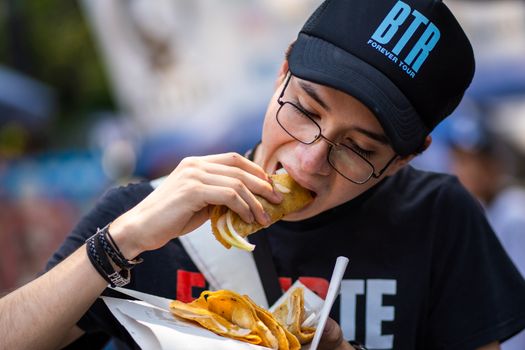
Tacos al pastor are the signature CDMX street food — pork on a vertical spit (identical in technique to shawarma, brought by Lebanese immigrants), shaved directly onto a tortilla with pineapple, onion, and cilantro. El Huequito (Bolívar St, Centro) has been making them the same way since 1959. Tostadas at Tostadas Coyoacán are the second essential. Restaurant destinations: Pujol (book 2 months ahead, Enrique Olvera's mole madre aged 1,000+ days), Contramar (fish, Colonia Roma), Quintonil (market-driven Mexican, Polanco). Budget: tacos MXN 20–35, restaurant meals MXN 200–800.
How do I get around Mexico City?+
Metro: 12 lines, extensive coverage, MXN 5 per trip, safe during daytime — the fastest option for cross-city travel. Uber: widely available, safe (licensed drivers, GPS-tracked), more expensive than metro but comfortable — MXN 80–200 for most tourist-area journeys. Avoid hailing street taxis; use Uber or radio taxi services. The Ecobici bike-share system covers Roma, Condesa, and Polanco; MXN 310 for a weekly pass. Walking is practical in individual neighbourhoods (Coyoacán, Centro, Roma) but the city's scale makes walking between areas impractical.
How many days do I need in Mexico City?+
Minimum 4 days to cover the essentials (Anthropology Museum, Templo Mayor, Teotihuacán, Xochimilco, Frida Kahlo). Five to six days adds Coyoacán properly, the Roma/Condesa food scene, and Bellas Artes. Seven days is the comfortable minimum for a first visit; 10+ days for visitors interested in art, architecture, and neighbourhood life. Mexico City has enough cultural depth for two weeks without repetition — it is one of the great museum cities of the world alongside Paris, London, and New York.
La gente también pregunta
- Is Mexico City worth visiting?
- What is Mexico City best known for?
- How do I get to Teotihuacán from Mexico City?
- What is the Zócalo in Mexico City?
- Is Uber safe in Mexico City?
- What language is spoken in Mexico City?
- When is the best time to visit Mexico City?
- How far is Cancún from Mexico City?
¿Listo para planificar tu viaje a Mexico City?
Chatea con nuestro concierge IA — dos minutos para describir el viaje de tus sueños.