
Viajes a medida a Seoul
K-pop, five dynasties, and the best fried chicken on Earth.
¿Qué es un viaje a medida a Seoul?
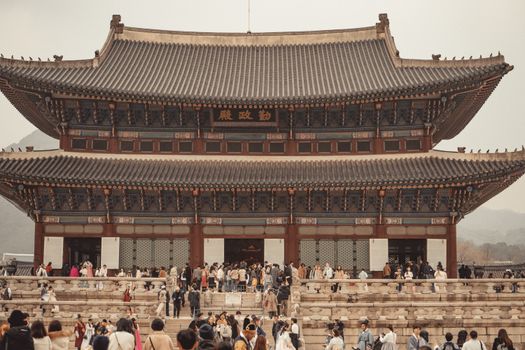
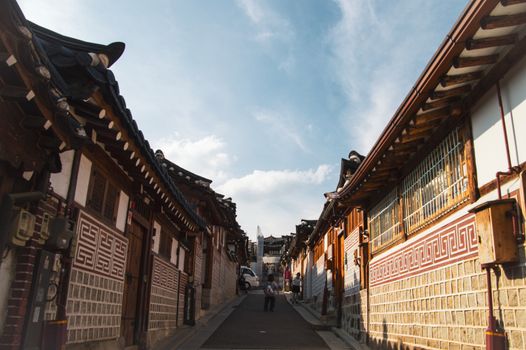
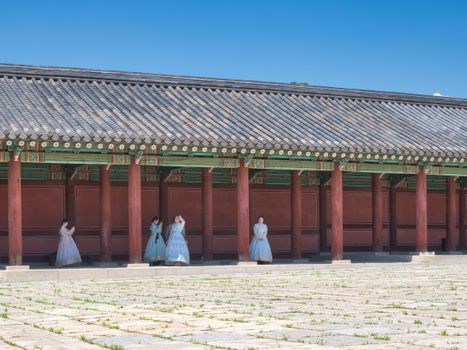
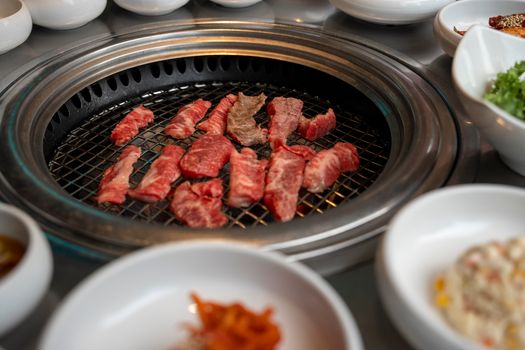
A custom Seoul tour visits Gyeongbokgung Palace at 9 a.m. in a rented hanbok (traditional dress — free entry with hanbok, and the photographs are genuinely beautiful), eats tteokbokki and bindaetteok at Gwangjang Market with a food guide who explains what the vendors are actually selling, walks the Bukchon Hanok Village before 10 a.m. when it belongs to residents rather than visitors, and finds the late-night Korean barbecue in the Mapo district that feeds the neighborhood rather than the tourist circuit.
Seoul is what happens when a country decides to become the world's 12th-largest economy in 50 years: a city of 10 million people that has simultaneously preserved its Joseon dynasty palaces, produced the most influential popular culture export of the 21st century (K-pop and Korean cinema), and built a street food and restaurant culture that Michelin has recognized at every price point from the university district tteokbokki stall to the 3-star contemporary Korean cuisine counter. The Han River runs through the middle of all of it.
The city's energy is generational. The Bukchon Hanok Village preserves the wooden tile-roofed houses of the Joseon aristocracy; Hongdae is the university district where K-pop style was street-tested before it went global; Gwangjang Market has been feeding Seoul since 1905 with bindaetteok pancakes and yukhoe (raw beef); and Itaewon has transformed from the US military district it was to the international food destination it now is. These are 15 minutes apart by metro.
March–May (cherry blossom) and October–November (autumn foliage at the palaces and mountain parks) are the optimal seasons. Seoul in winter (December–February) is -10°C possible but the city functions completely normally — Koreans dress for it. Tours start at €2,700 per person.
¿Cuándo es la mejor época para visitar Seoul?
Nuestros meses recomendados son April–May, September–October. Aquí una vista mensual con notas de planificación.
Las mejores experiencias en Seoul
Momentos seleccionados por nuestras agencias locales. Cada viaje incluye una selección de estas — o algo mejor si lo encontramos.
Itinerarios de muestra
Dos puntos de partida — tu itinerario real es a medida. Construimos desde aquí.
7 días clásico
- 1Día 1: Arrival & Gwangjang Market EveningGwangjang Market in Jongno (operating since 1905, the oldest remaining market in Seoul) becomes most vivid in the evening: the pojangmacha tent restaurants serve bindaetteok (mung bean pancakes), yukhoe (raw beef with pear and egg), and the mayak kimbap ('addiction kimbap' — tiny rolls so good the name stuck). Your food guide navigates the stalls and orders correctly. Then: the Cheonggyecheon Stream for an evening walk — a restored urban waterway that was formerly a highway overpass, now a 6km park below street level.
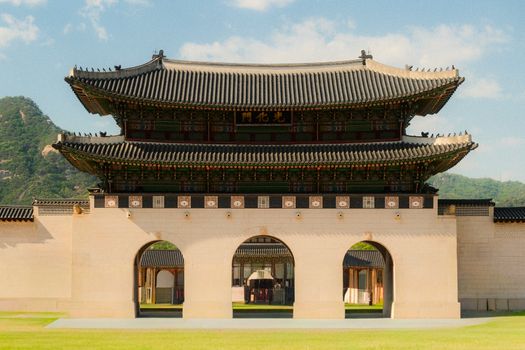
- 2Día 2: Gyeongbokgung Palace & Hanbok ExperienceGyeongbokgung Palace (the 'Palace Greatly Blessed by Heaven') is the largest of Seoul's five Joseon dynasty palaces and was the royal residence from 1395 until the Japanese demolished 90% of it in 1911. The reconstruction began in 1990 and is ongoing. Rent a hanbok (traditional Korean dress) from one of the shops immediately outside — palace entry is free in hanbok, and the photographs against the painted gate architecture are the best from Seoul. The National Folk Museum within the palace grounds covers daily Joseon life. Morning changing of the royal guard ceremony at 10 a.m. and 2 p.m.
- 3Día 3: Bukchon Hanok Village & InsadongBukchon is a residential neighborhood of 900 traditional hanok (wooden tile-roofed Joseon houses) on the hillside between the two major palaces. Walk the village before 10 a.m. — after that it becomes crowded and the residents post signs requesting quiet. Your architectural guide explains what the hanok structure represents: the ondol (underfloor heating system), the maru (open wooden floor veranda), and the courtyard orientation. Then Insadong: the traditional arts district with tea houses, calligraphy shops, and the Ssamziegil courtyard market.
- 4Día 4: DMZ — Korean Demilitarized Zone1-hour bus north to the DMZ: the 4km-wide buffer zone between North and South Korea, the most heavily fortified border in the world and, paradoxically, an accidental wildlife sanctuary (no human activity for 70 years has allowed species reintroduction). Panmunjom Joint Security Area (JSA) visit (requires separate authorization and advance booking): the blue meeting rooms straddling the Military Demarcation Line where you technically stand in North Korea. The Third Tunnel of Aggression, dug by North Korea to invade Seoul, and the Dora Observatory facing north. The DMZ tells the story that everything in Seoul avoids telling directly.
- 5Día 5: Hongdae — K-Pop Culture & Street PerformanceHongdae (Hongik University area) is where K-pop style originated as a street phenomenon before the management agencies systematized it. The busking area near Hongik University's main gate on weekends, the vinyl record shops on the back streets, and the practice room buildings where idol groups rehearse. Your cultural guide explains the Korean entertainment industry: the trainee system, the fandom culture (sasaeng), and why K-pop has been the most effective cultural export Korea has produced. Then: Korean barbecue dinner in Mapo — galbi (short ribs) and samgyeopsal (pork belly) grilled at the table.
- 6Día 6: Jeonju Day Trip — Traditional Culture3-hour KTX to Jeonju: the historical capital of the Joseon dynasty's founding family (the Yi clan), with the Jeonju Hanok Village (the largest traditional hanok village in Korea, 735 houses) and the bibimbap that originated here and is the city's defining contribution to Korean cuisine. Private cooking class for bibimbap: the rice, the nine seasonal vegetables, the gochujang (red pepper paste), and the correct mixing technique. The Jeonju Cathedral (1914, built by French missionaries who came north from Macau) on the adjacent hill. Return by KTX.
- 7Día 7: Namsan & N Seoul Tower — DepartureNamsan mountain in the center of Seoul: the N Seoul Tower at 480m altitude (the observation deck), the cable car or hiking path through the forest, and the padlocks attached to the fence by couples who claim the love lock tradition as theirs despite it originating in Paris. Morning before the city wakes: the Huam-dong neighborhood below Namsan, the traditional architecture along the slope path. Airport express from Seoul Station.
14 días en profundidad
- 1Día 1: Arrival & Gwangjang Market1905 market, bindaetteok and yukhoe, Cheonggyecheon restored stream walk.
- 2Día 2: Gyeongbokgung in HanbokLargest Joseon palace, hanbok free entry, royal guard ceremony, National Folk Museum.
- 3Día 3: Bukchon Hanok Village Before 10 a.m.900 traditional houses, ondol underfloor heating explanation, Insadong tea houses and calligraphy.
- 4Día 4: DMZ & PanmunjomJSA blue rooms on the Military Demarcation Line, Third Tunnel, Dora Observatory facing north.
- 5Día 5: Hongdae K-Pop CultureK-pop street origin, trainee system explanation, Mapo galbi and samgyeopsal barbecue.
- 6Día 6: Jeonju Day TripKTX 3 hours, 735 hanok houses, bibimbap cooking class, French missionary cathedral.
- 7Día 7: Namsan & N Seoul Tower480m altitude, cable car, forest path, Huam-dong traditional neighborhood.
- 8Día 8: Changdeokgung Secret GardenThe 'Secret Garden' (Huwon) of Changdeokgung Palace is only accessible by guided tour — a 78-acre royal garden of pavilions, lotus ponds, and bamboo forests at the rear of the best-preserved Joseon palace. The UNESCO-listed garden's 300-year-old trees and the Yeongyeongdang residential complex (where the king lived an 'ordinary' life) are the highlights. The guided tour limits visits to 50 people per session; your guide books in advance.
- 9Día 9: National Museum of Korea & LeeumThe National Museum of Korea houses the most complete collection of Korean art, from prehistoric pottery through Joseon era paintings — including the Bhuddhist gilt bronze Maitreya (7th century) that is one of Korea's most significant sculptures. Then: the Leeum Samsung Museum of Art, designed by three separate architects (Mario Botta for the ancient Korean art, Jean Nouvel for the modern Korean art, Rem Koolhaas for the contemporary international collection). The three buildings in conversation is itself a curatorial statement.
- 10Día 10: Bukhansan National Park HikeSeoul is surrounded by mountains — Bukhansan National Park directly above the northern city limits has a granite ridge walk to Baegundae peak (836m), the highest in the greater Seoul area. The trail from Ui-dong through the rock formations to the summit takes 4 hours; the view of the city below and the Han River in the distance is the finest urban mountain view in any major Asian city. Return by cable car. The park is free and functions as Seoul's lung.
- 11Día 11: Itaewon Food Scene — International DistrictItaewon's transformation from US military district to international food destination has been complete since the 2010s: Nigerian jollof, Thai boat noodles, Israeli shakshuka, and the Mexican taquería that sources its tortilla corn from Oaxaca are all within 500 meters of each other. Your food journalist guide maps the most interesting recent openings alongside the established institutions. Then: Haengaridong antique street and the costume district — two of Seoul's micro-specialty markets.
- 12Día 12: Korean Ceramics & Insadong CraftPrivate workshop with a Korean ceramics master in the Insadong district: the making of buncheong (a Joseon-era ash-glazed stoneware) using traditional techniques. The Korean celadon tradition (12th-century Goryeo jade-green ceramics) influenced Chinese and Japanese ceramics simultaneously. Your guide explains the ceramic history — and why Korean ceramics are considered the finest in Asia by collectors who know the subject. Then: the Bukchon traditional craft workshop tour — lacquerware, mother-of-pearl inlay, and pojagi (wrapping cloth) demonstrations.
- 13Día 13: Andong — Confucian Heartland Day Trip3-hour KTX to Andong: the city most associated with Joseon Confucian culture. Hahoe Village (UNESCO) — a 14th-century clan village on a river bend, still inhabited by the descendants of the Ryu clan who founded it 600 years ago. The Hahoe masks (used in shamanistic and satirical performances) are the most recognizable folk art object in Korea. The Confucian academy Dosan Seowon, founded by the philosopher Yi Hwang (Toegye) in the 16th century. Return by afternoon KTX.
- 14Día 14: Final Morning Market & DepartureLast morning: Namdaemun Market (the largest traditional market in Korea, open 24 hours, famous for the early morning galchi jorim — braised hairtail fish — and the duk vendors). A final hazelnut latte from the coffee chain that exports Korean café culture globally. Incheon Airport express from Seoul Station.
Información práctica
Preguntas frecuentes
When is the best time to visit Seoul?+
March–May (cherry blossom) and October–November (autumn foliage) are the peak seasons — the Joseon dynasty palace gardens in autumn color are among the finest seasonal spectacles in Asia. June–August is hot and humid (35°C+) with heavy summer rains. September is excellent: post-rain clarity, warm temperatures, and the Chuseok (autumn harvest festival) adding cultural energy. December–February is cold (−10°C possible) but the city operates completely normally, and the palaces in snow are extraordinarily photogenic.
Can I visit the DMZ as a tourist?+
Yes — day tours from Seoul to the DMZ run daily, organized through licensed tour operators. The Joint Security Area (Panmunjom) requires separate authorization from the United Nations Command and advance application (typically 48 hours minimum). A custom tour books the JSA authorization and arranges a specialist guide who provides historical and political context beyond the tour group format. Children under 10 are not permitted in the JSA. The Civilian Control Zone (broader DMZ area including the Third Tunnel and Dora Observatory) is accessible on standard day tours.
What is K-pop and can I see it in Seoul?+
K-pop (Korean popular music) is a global music industry centered in Seoul's Gangnam and Mapo management agency buildings. Live idol group performances require weeks of advance planning — concert tickets sell out globally in minutes. However, the SM Town COEX Artium (the public-facing SM Entertainment complex), the HYBE Insight museum (BTS and Big Hit artists), the weekend Hongdae busking scene (where aspirant acts perform), and the Nanta performance (Korean drumming-based cooking show) are all accessible without advance booking. A custom tour provides the cultural context for what K-pop has meant economically and culturally for Korea.
What is Korean food beyond bibimbap?+
Korean cuisine: kimchi (fermented vegetables — not a side dish but the foundation of the dietary system), tteokbokki (spicy rice cake), galbi (grilled short ribs), bulgogi (marinated grilled beef), samgyeopsal (pork belly barbecue), Korean fried chicken (developed after American chicken technique was introduced in the 1960s), jjigae (stew — kimchi jjigae, doenjang jjigae), cold buckwheat noodles (naengmyeon), and the regional variations (Jeonju bibimbap, Gyeongju bread, Suncheon ganjang). The cha chaan teng equivalent is the pojangmacha (street tent restaurant) — a plastic-sheeted outdoor dining experience with soju and anju (drinking food).
What is hanbok and should I wear one in Seoul?+
Hanbok is the traditional Korean dress — colorful silk or ramie fabric in a two-piece construction (jeogori blouse and chima skirt for women, jeogori and baji trousers for men). Wearing a hanbok provides free entry to Gyeongbokgung, Changdeokgung, and other Seoul palaces. Rental shops near the palace gates rent hanbok for HKW15,000–30,000 for a half-day. The experience is genuinely photogenic and culturally appropriate — not a tourist costume but a living garment tradition that Korean families still wear for Chuseok, weddings, and ceremonial occasions.
La gente también pregunta
- Is Seoul worth visiting?
- What is the best neighborhood to stay in Seoul?
- How do I visit the DMZ from Seoul?
- What is K-pop tourism?
- Is Korean food spicy?
- How many days do I need in Seoul?
- What is hanbok and should I wear it?
- Is Seoul expensive compared to other Asian cities?
¿Listo para planificar tu viaje a Seoul?
Chatea con nuestro concierge IA — dos minutos para describir el viaje de tus sueños.