
Viaggi su misura a Iceland — Northern Lights
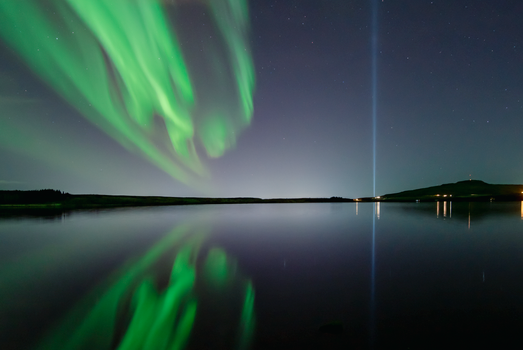
The aurora borealis over black-sand beaches.
Cos'è un viaggio su misura a Iceland — Northern Lights?
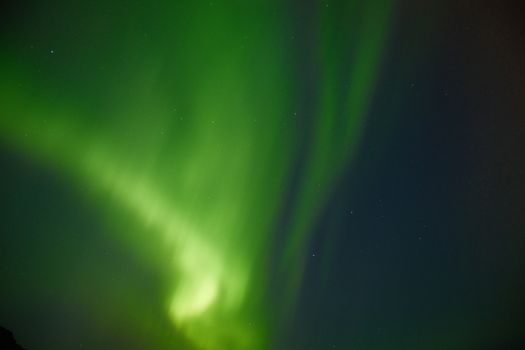
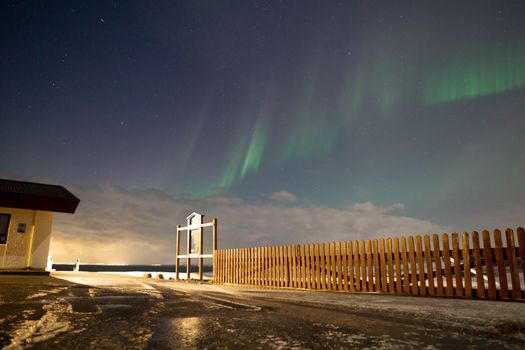
See the northern lights in Iceland from September to March by checking the Icelandic Met Office aurora forecast (vedur.is) for KP index 3+ and clear skies. Best locations: Snæfellsnes Peninsula (Kirkjufell mountain), Þingvellir National Park, and the Westfjords. Stay outside Reykjavík or drive 45+ minutes from city lights on clear nights.
Iceland's northern lights season runs from late September through late March — the aurora requires darkness, and Iceland's summer midnight sun (May–July) makes it impossible regardless of solar activity. The best viewing conditions combine three factors: high solar activity (KP index 3 or above, tracked on the Icelandic Met Office app veðursto.is), clear skies (cloud cover is the main obstacle in Iceland's volatile subarctic weather), and genuine darkness away from Reykjavík's light pollution. The Met Office aurora forecast updates every 3 hours and shows both solar activity and cloud cover maps; check both before deciding whether to drive out for the night.
The Snæfellsnes Peninsula (2 hours north of Reykjavík) provides the best accessible combination of dark skies, dramatic foreground subjects (Kirkjufell mountain, Snæfellsjökull glacier volcano), and distance from city light pollution. Kirkjufell — the arrow-shaped 463-metre mountain with Kirkjufellsfoss waterfall at its base — is the most photographed aurora foreground in Iceland; arrive by 10 p.m. on a high-KP night and find other photographers already set up. The view requires a 5-minute walk from the car park on Route 54. Alternatively, Þingvellir National Park (45 minutes from Reykjavík) offers the Almannagjá rift valley as a foreground — where the North American and Eurasian tectonic plates are visibly pulling apart.
The Westfjords, 5 hours northwest of Reykjavík by car in summer (ferry or flight required year-round in winter), offer the darkest skies in Iceland — population 7,000 spread across 9,400 km², with virtually no artificial light outside Ísafjörður town. The midnight aurora reflected in the Arnarfjörður fjord is one of the most intense northern lights experiences accessible from Reykjavík by 4WD in good road conditions. Winter road conditions in the Westfjords require caution; the Icelandic Road Administration (road.is) shows live closures.
Qual è il momento migliore per visitare Iceland — Northern Lights?
I nostri mesi consigliati sono September–March (aurora). Ecco una panoramica mensile con note di pianificazione.
Le migliori esperienze a Iceland — Northern Lights
Momenti selezionati dai nostri operatori locali. Ogni viaggio include una selezione — o qualcosa di meglio se lo troviamo.
Itinerari di esempio
Due punti di partenza — il tuo vero itinerario è su misura. Costruiamo da qui.
7 giorni classico
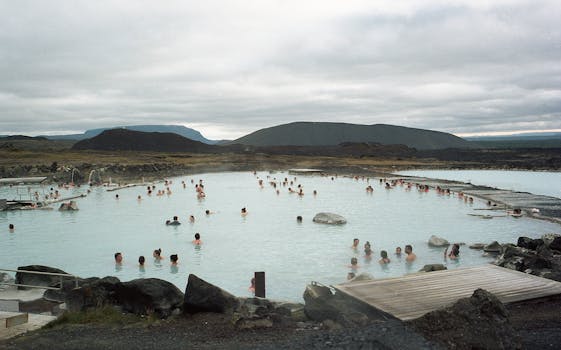
- 1Giorno 1: Reykjavík Arrival & Blue LagoonLand at Keflavík International Airport and transfer to Reykjavík (45 min by bus or Flybus). If arriving before 3 p.m., continue directly to the Blue Lagoon geothermal pool (30 min from the airport, on the way to Reykjavík) — book in advance (tickets sell out weeks ahead, €50–€90 depending on package). The lagoon's silica-blue water is at 37–40°C year-round; the steam and darkness create a dreamlike first impression of Iceland. Arrive in Reykjavík by 6 p.m., check the aurora forecast for tonight. If KP 3+ and clear skies, drive 45 minutes to Þingvellir for a late viewing attempt.
- 2Giorno 2: Golden Circle & Aurora AlertThe Golden Circle — Þingvellir, Geysir, Gullfoss — in a single day from Reykjavík. Þingvellir National Park at 8 a.m.: walk the Almannagjá rift (the Mid-Atlantic Ridge surface expression) before crowds at 10:30 a.m. Geysir geyser field: Strokkur erupts every 5–8 minutes, predictable and reliable (the original Geysir erupts infrequently). Gullfoss waterfall: a two-tier 32-metre cascade on the Hvítá river, often partially ice-clad in winter. Return via Kerið volcanic crater lake (EGP 700 entry, walk the rim in 20 minutes). Aurora watch from the Þingvellir car park or any dark roadside stop on the return route if the forecast turns good.
- 3Giorno 3: Snæfellsnes Peninsula — KirkjufellDrive 2 hours north to the Snæfellsnes Peninsula. Stop at Gerðuberg columnar basalt cliff (1 km long, 14-metre columns, free). Reach Kirkjufell by noon for daylight photography — the mountain and adjacent Kirkjufellsfoss waterfall in a single frame. Drive around the peninsula anticlockwise: Arnarstapi sea arch and bird cliff (storm petrel and Arctic tern colony), Djúpalónssandur black pebble beach with rusted trawler wreck, Snæfellsjökull glacier volcano (reached by snowcat or foot; summit at 1,446 m). Stay overnight at Grundarfjörður for proximity to Kirkjufell aurora viewing. If KP 3+ tonight, walk to the Kirkjufell viewpoint after 11 p.m.
- 4Giorno 4: Westfjords Drive or Whale WatchingTwo options depending on season and weather. Option A (October–March): Continue 3 hours north to the Westfjords — Dynjandi waterfall (a series of 7 cascades, the top fan-shaped, 100 metres wide at the base) is the Westfjords' centrepiece, accessible year-round with appropriate tyres. Ísafjörður town for lunch, then a dark-sky aurora evening at Arnarfjörður. Option B (May–September): Return to Reykjavík and join a whale-watching tour from Reykjavík harbour — humpback and minke whales plus white-beaked dolphins are regularly sighted June–August; Elding and Special Tours operate 3-hour departures at 9 a.m. and 1 p.m.
- 5Giorno 5: South Shore — Seljalandsfoss & SkógafossDrive 2.5 hours east on Route 1 to the South Shore waterfalls. Seljalandsfoss (60 metres, walk behind the curtain of water via a path open April–October), Skógafoss (60 metres wide, 22-metre rainbow in morning sun). Continue to Reynisfjara black sand beach — the strongest warning in Iceland: the waves come without warning and have killed tourists who stood at the waterline. Stay behind the large ridge. Dyrhólaey promontory lighthouse has puffin colonies (April–August) and the best view of the black beach. Overnight in Vík for the region's darkest skies.
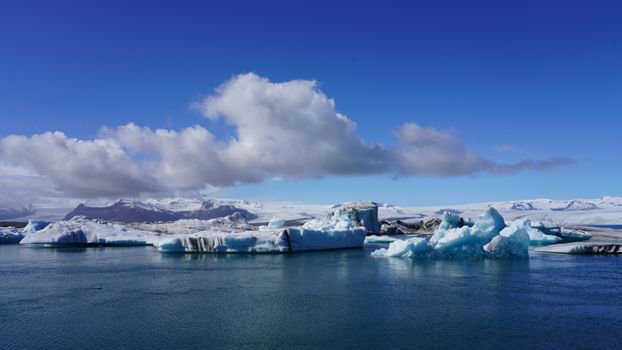
- 6Giorno 6: Jökulsárlón Glacier Lagoon & Ice CaveDrive 2.5 hours further east to Jökulsárlón — the glacial lagoon where Vatnajökull ice blocks calve and float in turquoise glacial melt before reaching the sea across the black Diamond Beach. Boat tours (amphibious vehicle, April–October) navigate between 15-metre-tall ice blocks of blue and white; seals lounge on the floating ice. In winter (November–March), guided ice cave tours enter the Vatnajökull glacier interior where blue ice walls surround you — book through Glacier Guides or Arctic Adventures 2–4 weeks ahead. The caves form anew each winter and are destroyed each spring melt; dates vary year to year.
- 7Giorno 7: Reykjavík Food Scene & DepartureReturn to Reykjavík (5-hour drive or morning domestic flight from Höfn). Final afternoon in Reykjavík: Hallgrímskirkja church (lift to the top, €10, 10-minute queue), Harpa Concert Hall (free to enter, admire Henning Larsen's geometric glass facade), Laugavegur street for Icelandic design shopping (lopapeysa sweaters, volcanic sea salt, skyr skin cream). Dinner at Dill Restaurant (Nordic New Wave, book 2 weeks ahead) or Grillmarkaðurinn for local lamb and Arctic char. Transfer to Keflavík Airport (45 min by Flybus, departs Reykjavík bus terminal).
14 giorni approfondimento
- 1Giorno 1: Arrival & Blue LagoonKeflavík landing, Blue Lagoon geothermal (book ahead), Reykjavík check-in, first aurora forecast check.
- 2Giorno 2: Golden CircleÞingvellir rift at 8 a.m., Strokkur eruption every 5–8 min, Gullfoss ice falls, Kerið crater rim.
- 3Giorno 3: Snæfellsnes PeninsulaGerðuberg basalt columns, Kirkjufell mountain and waterfall, Djúpalónssandur black beach.
- 4Giorno 4: Kirkjufell Aurora NightOvernight on the Snæfellsnes Peninsula for Kirkjufell aurora foreground — KP 3+ required, check vedur.is.
- 5Giorno 5: Westfjords — Dynjandi7-tier waterfall, Ísafjörður lunch, Arnarfjörður fjord dark-sky aurora, Iceland's lowest light pollution.
- 6Giorno 6: Westfjords DeepLátrabjarg bird cliff (millions of razorbills, puffins — Europe's largest seabird cliff), Rauðasandur rust-red beach.
- 7Giorno 7: Return & South ShoreDrive south via Seljalandsfoss walk-behind, Skógafoss rainbow morning, Reynisfjara black beach (stay back from waves).
- 8Giorno 8: Vík & Overnight AuroraIceland's southernmost village, Dyrhólaey puffin colony (April–Aug), dark-sky aurora from Vík hillside.
- 9Giorno 9: Jökulsárlón Glacier LagoonCalving ice blocks, amphibious boat tour, Diamond Beach, seals on floating ice.
- 10Giorno 10: Vatnajökull Ice CaveGlacier Guides blue ice cave tour (book weeks ahead), Skaftafell nature reserve, Svartifoss basalt column waterfall.
- 11Giorno 11: Mývatn — North IcelandFly Höfn to Akureyri or drive Ring Road north: Mývatn lake (pseudo-craters, Námaskarð sulfur fields, Grjótagjá cave thermal pool).
- 12Giorno 12: Húsavík Whale WatchingNorth Iceland whale-watching capital, highest humpback sighting rates in Iceland (June–August), Whale Museum.
- 13Giorno 13: Akureyri & ReturnIceland's northern capital, Akureyri Botanical Garden (surprising variety at 65° N), domestic flight to Reykjavík.
- 14Giorno 14: Reykjavík & DepartureHallgrímskirkja, Harpa, Laugavegur shopping, Dill dinner, Keflavík Flybus departure.
Informazioni pratiche
Domande frequenti
What is the best month to see the northern lights in Iceland?+
September–March are the aurora months; Iceland's midnight sun in May–July makes aurora impossible. January and February have the longest dark nights (18–20 hours of darkness) and statistically more clear weather than October–November. However, the aurora is ultimately driven by solar activity (KP index) which cannot be predicted more than 3 days ahead. A week-long stay gives the best probability of catching multiple nights with suitable conditions. September and March combine aurora potential with milder temperatures.
Do I need a 4WD car to drive in Iceland in winter?+
Yes, for winter (October–April) a 4WD with winter tyres is essential — regular vehicles with studded tyres work on main roads but the F-roads (highland interior) and many Westfjords routes require 4WD clearance. Car hire companies in Iceland legally require 4WD for specific roads; insurance may be void for regular vehicles on restricted roads. In summer (June–September), a regular 2WD car covers the entire Ring Road and most tourist routes. Add a GPS and offline maps (Route 1 is straightforward; the Westfjords require detailed mapping).
How do I predict whether the northern lights will be visible?+
Use the Icelandic Meteorological Office aurora forecast at vedur.is — it shows both KP index (solar activity, needs to be 3+ for moderate displays, 5+ for impressive displays) and cloud cover maps. The cloud cover is the most critical variable in Iceland's changeable weather. Set up an aurora alert app (My Aurora Forecast or Space Weather Live) for notifications when KP rises. The forecast updates every 3 hours; check at 9 p.m. and again at 11 p.m. before deciding whether to drive out.
Is the Blue Lagoon worth visiting in Iceland?+
Yes, with advance booking — without pre-booked tickets you cannot enter. The silica-mud-blue water at 37–40°C in an outdoor lava field is genuinely extraordinary, especially in darkness or light snow. Book 2–4 weeks ahead in summer, 1 week in winter; the Silica Hotel package (dinner + overnight + two lagoon entries) is the premium option. The main caution: busy periods (11 a.m.–3 p.m.) mean the lagoon is crowded; book the 8 a.m. slot or the evening slot after 6 p.m. for the best experience.
What should I pack for Iceland in winter?+
Merino wool base layer, fleece mid-layer, waterproof/windproof shell with hood, wool socks, waterproof boots (ankle-height minimum; knee-high for ice cave visits), hat, gloves, neck gaiter. Temperatures in Reykjavík in winter are typically -2°C to +4°C but wind chill can reach -15°C. For aurora watching outdoors, add a second insulating layer and hand warmers — standing still in a field for 30–60 minutes requires substantially warmer clothing than walking. Photography gloves (insulated with removable finger tips for touchscreen operation) are recommended.
Le persone chiedono anche
- Can you see the northern lights from Reykjavík?
- How long should I stay in Iceland?
- Is Iceland expensive to visit?
- What is the Ring Road in Iceland?
- Can you drive around Iceland in winter?
- When is midnight sun in Iceland?
- What is the KP index for northern lights?
- Are the northern lights visible every night in Iceland?
Pronto a pianificare il tuo viaggio a Iceland — Northern Lights?
Chatta con il nostro concierge AI — due minuti per descrivere il viaggio dei tuoi sogni.