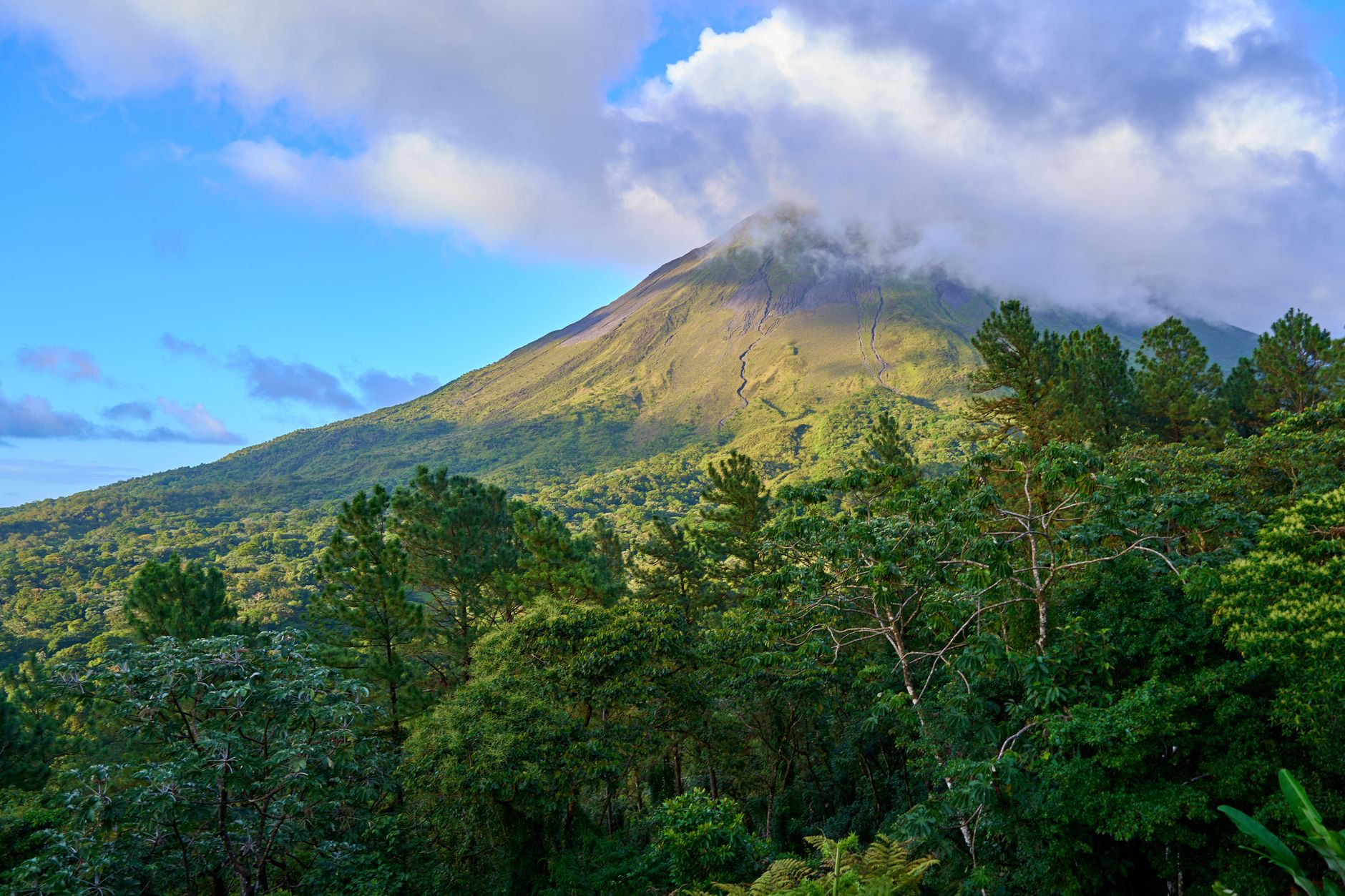
맞춤 여행 Costa Rica
Pura vida: rainforest, volcanoes, two coasts.
맞춤 여행 안내 — Costa Rica?
Costa Rica is best experienced through Monteverde Cloud Forest (6 a.m. guided walk for quetzals), Arenal Volcano hot springs and lava trail, and Manuel Antonio National Park (arrive at 7 a.m. opening for sloths and monkeys). Visit December–April for dry season; February–May for quetzal sightings. Rent a 4WD for flexible route access.
Costa Rica protects 27% of its national territory as parks, reserves, and wildlife refuges — a higher percentage of protected land than any other country in the world. The biodiversity this produces is extraordinary: 5% of all known species on Earth in a country 51,000 km² (smaller than West Virginia). Monteverde Cloud Forest Reserve in the Tilaran mountains holds the largest single tract of primary cloud forest in Central America — at 1,400–1,800 metres elevation, the permanent mist creates an epiphyte-covered cathedral of moss-draped trees where a square metre of old-growth bark can host 20 species of orchid simultaneously. Early morning guided walks (6 a.m., groups capped at 8 people) offer the highest wildlife probability: resplendent quetzal sightings peak at 6–8 a.m. during the nesting season (February–May).
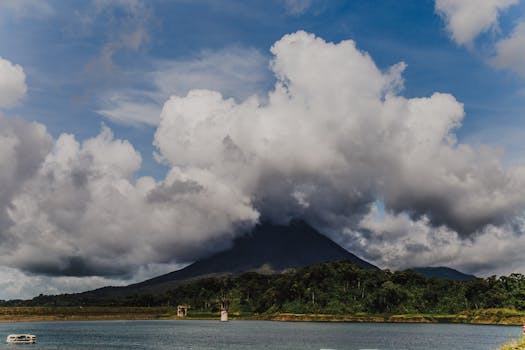
The Arenal Volcano, 1,670 metres, was one of the world's most consistently active volcanoes from 1968 (when an eruption killed 87 people) to 2010, when it entered a period of lower activity. The cone is perfectly symmetrical and visible from all directions on clear days — the best view is from across Laguna de Arenal at sunrise, from the La Fortuna side looking northwest. Hot springs heated by geothermal activity cluster at the volcano base: Tabacón, Baldi, and Ecotermales (the quietest and most natural) offer pools ranging from 38°C to 42°C. The Arenal 1968 trail follows the path of the 1968 lava flow and reaches the old lava field with the volcano cone above — the 4-km trail takes 2 hours with interpretive signage on volcanic geology.
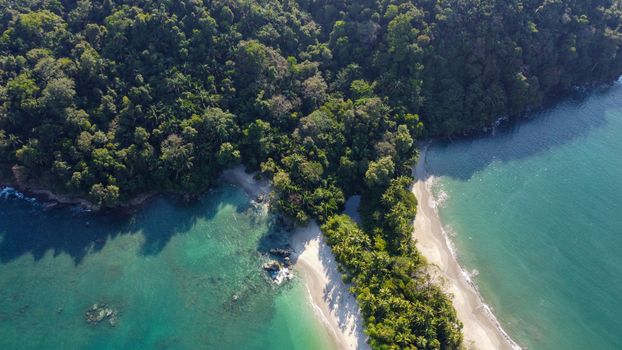
Manuel Antonio National Park on the Pacific coast is the most biodiverse patch of land in the country by species per hectare — three-toed sloths, white-faced capuchin monkeys, squirrel monkeys, and two-toed sloths are all visible from the beach-access trails with a knowledgeable guide. The park limits daily visitors to 1,500 (weekend/holiday) and 800 (weekdays); arrive at the 7 a.m. opening on weekdays for the lowest density. The Punta Catedral trail crosses a tombolo — a narrow land bridge connecting the former island peninsula to the mainland — with Pacific coast views on both sides and guaranteed howler monkey encounters.
최적 방문 시기 — Costa Rica?
추천 월은 December–April (dry season). 월별 계획 메모를 확인하세요.
주요 체험 — Costa Rica
현지 파트너가 엄선한 여행 경험들. 모든 맞춤 여행에 이 중 일부 — 또는 더 좋은 것이 포함됩니다.
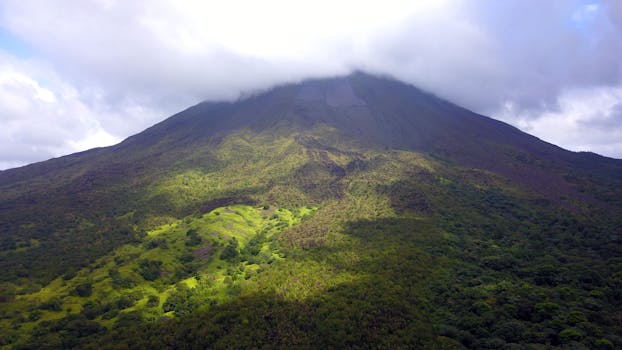
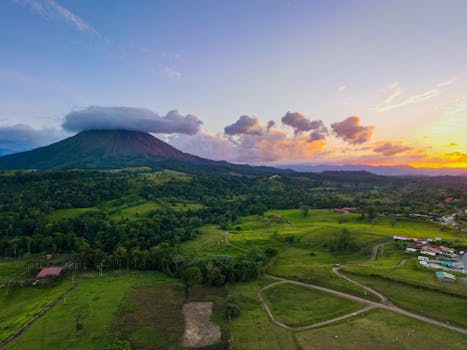
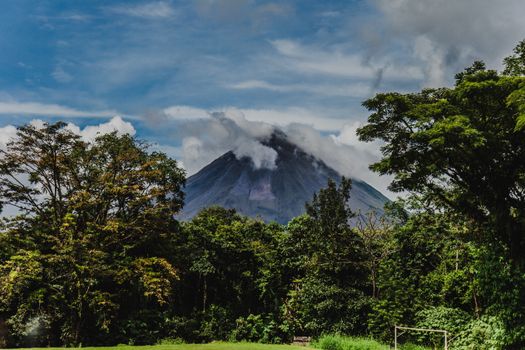
샘플 일정
두 가지 출발점 — 실제 일정은 완전 맞춤형입니다. 여기서 구성합니다.
7일 클래식
- 1일차 1: Arrival San José & Transfer to ArenalLand at Juan Santamaría International Airport (SJO) and drive 3 hours northwest to La Fortuna — the gateway town to Arenal Volcano. The road passes through the Central Valley at 1,200 metres altitude (pleasant 22°C year-round) and drops into the northern lowlands. Check into a hotel with volcano view and visit Ecotermales hot springs (book in advance, small groups only, €45, 38–42°C geothermal pools in forest setting) in the afternoon. The pools are quietest 4–6 p.m. on weekdays. Sunset on the Arenal cone from La Fortuna town is visible on clear days.
- 2일차 2: Arenal Volcano Trail & Hanging BridgesStart the Arenal 1968 trail at 7 a.m. — the 4-km lava field walk on the footprint of the 1968 eruption, with the cone visible above and pioneer vegetation colonising 55-year-old basalt. The adjacent Arenal Observatory Lodge (2 km from the cone) offers the closest legal approach to the summit with unobstructed views. Afternoon: Mistico Arenal Hanging Bridges — 3 km of forest trails with 6 suspension bridges at canopy height (15–50 metres), the best position for spotting keel-billed toucans, trogons, and leafcutter ants on their supply routes. Evening: optional night tour (6 species of poison dart frog visible with UV torch, red-eyed tree frogs after dark).
- 3일차 3: Laguna de Arenal Kayak & Transfer to MonteverdeMorning kayak on Laguna de Arenal — a 85 km² reservoir created in 1979, with the volcano reflected in calm early-morning water. The lake has North America's most reliable freshwater wind pattern (10–40 knots daily from 11 a.m.) making it a windsurfing destination; kayak before 10 a.m. for flat water. Drive 3 hours (the final hour on unpaved mountain road — 4WD recommended) to Monteverde/Santa Elena. The road climbs from 80 metres to 1,400 metres; the ecological change is dramatic. Check into a lodge in Santa Elena and book tomorrow's guided walk immediately (fills by 4 p.m. daily).
- 4일차 4: Monteverde Cloud Forest — 6 a.m. WalkGuided group walk at 6 a.m. (CASEM cooperative guides, maximum 8 people, book the day before at the reserve entrance). The cloud forest at this hour is in permanent mist; the moss-draped cecropia trees host 500 species of orchid. Quetzal sightings: February–May nesting season has near-daily sightings from the reserve's regular quetzal territory (known to guides). The otherworldly features: the hummingbird feeding stations just outside the reserve boundary attract 13 species including the violet sabrewing and green hermit. Afternoon: Sky Adventures zip-line (1.5 km of cables through canopy, the original zip-line operation in Costa Rica, founded 1994).
- 5일차 5: Santa Elena Reserve & Butterfly GardenThe Santa Elena Cloud Forest Reserve is community-owned and quieter than Monteverde (40% fewer visitors), with equally good wildlife. The 12-km trail network accesses an upper zone at 1,700 metres where the trees are shorter, the mist denser, and the puma tracks fresher in the mud. The Selvatura butterfly garden (Hanging Bridges complex) houses 50 species in a large enclosed garden — the morpho butterfly wing iridescence is visible from 20 metres. Herpetarium display of red-eyed tree frogs, poison dart frogs, and fer-de-lance (the most medically significant venomous snake in Costa Rica) is educational without stress.
- 6일차 6: Transfer to Manuel Antonio & ArrivalDrive 4 hours south from Monteverde (via Puntarenas ferry, 1.5-hour crossing saves 2 hours vs. land route — cars load at Paquera on the Nicoya Peninsula side; check CONATRAMAR ferry schedule). Arrive at Manuel Antonio on the Pacific coast by 3 p.m. The coastline here is jungle-to-beach — the trees drop to the shoreline. Check into a hotel with rainforest-and-ocean views (Makanda, La Mariposa, and Arenas del Mar are in the forest above the town). Sunset from Biesanz Beach, a 5-minute walk from the coastal road, quieter than the main beach.
- 7일차 7: Manuel Antonio National Park at 7 a.m.Arrive at the park entrance at 7 a.m. for the daily 800-visitor weekday opening. Hire a certified guide at the entrance (€25–35, 2-hour walk, worth every cent for spotting animals you would walk past independently). The Punta Catedral trail accesses both Pacific beaches and the tombolo land bridge with guaranteed howler monkeys, three-toed sloths in cecropia trees (visible from the trail, 3–4 minutes of observation before they move), and white-faced capuchins. The park's Playa Biesanz section has the calmest water for swimming. Return to San José (3-hour drive) for international departure from SJO.
14일 심층 코스
- 1일차 1: Arrival & EcotermalesSan José arrival, 3-hour drive to La Fortuna, Ecotermales hot springs 4 p.m. (book ahead, small groups), volcano sunset view.
- 2일차 2: Arenal Lava Trail7 a.m. 1968 lava field walk, Observatory Lodge close approach, Mistico Hanging Bridges canopy walk, night tour poison dart frogs.
- 3일차 3: Caño Negro Wildlife Reserve2-hour boat tour of Río Frío river system — jabiru stork (largest flying bird in Americas), roseate spoonbill, caiman, river otter.
- 4일차 4: Laguna de Arenal & MonteverdeMorning kayak before 10 a.m. flat water, 3-hour unpaved road drive to Monteverde, reserve booking.
- 5일차 5: Monteverde 6 a.m. Guided WalkCloud forest mist, quetzal February–May, 500 orchid species per tree, hummingbird station 13 species.
- 6일차 6: Santa Elena ReserveCommunity-owned reserve, puma tracks in mud, 1,700 m upper zone, morpho butterfly garden.
- 7일차 7: Zip-line & Night WalkSky Adventures 1.5 km canopy cables (original Costa Rican zip-line 1994), red-eyed tree frog night walk with UV torch.
- 8일차 8: Nicoya Peninsula FerryPaquera ferry crossing Nicoya Gulf, Malpaís beach, rare Pacific olive ridley sea turtle nesting (September–December at Ostional).
- 9일차 9: Manuel Antonio ArrivalPacific coast descent, Biesanz Beach sunset, jungle-to-beach hotel in forest canopy.
- 10일차 10: Manuel Antonio Park at 7 a.m.Certified guide, Punta Catedral tombolo trail, sloths in cecropia, capuchin monkeys, swimming at Playa Biesanz.
- 11일차 11: Kayak & Whale WatchingManuel Antonio offshore — humpback whale watching (August–October, December–April, two distinct populations), dolphin spinner schools.
- 12일차 12: Osa Peninsula — Corcovado NPFly 30 min or drive 4 hours to Drake Bay: Corcovado is Costa Rica's wildest park — baird's tapir, jaguar, all 4 monkey species, scarlet macaw in pairs.
- 13일차 13: Corcovado Interior WalkFull-day guided hike from Sirena ranger station — the only way to access the park interior; book with licensed guide company 2 weeks ahead.
- 14일차 14: Drake Bay & DepartureMorning boat Caño Island snorkel (mantas and sharks May–November), small aircraft flight to San José, international departure.
여행 실용 정보
자주 묻는 질문
When is the best time to visit Costa Rica?+
December–April is the dry season on the Pacific coast — the traditional choice for beach destinations and reliable wildlife viewing. February–May adds the quetzal nesting season in Monteverde for the most impressive bird sightings. May–November is the rainy (green) season: mornings are typically clear and wildlife is equally active, but afternoon rains are heavy. Tortuguero on the Caribbean coast is the opposite — turtle nesting (July–September) requires visiting in the rainy season. Arenal and Monteverde have wildlife year-round.
Do I need a 4WD in Costa Rica?+
Yes, for several key routes: the Monteverde access road (unpaved, steep, 1 hour from the highway), any route to Corcovado, and off-road beach access in the Nicoya Peninsula and Osa Peninsula. In the dry season, compact 4WD crossovers suffice; in the rainy season (May–November), proper ground clearance is essential on river crossings and muddy tracks. All major roads (Route 1, Route 27, Route 34) are paved; the 4WD need is for national park access and secondary routes.
Is it possible to see a jaguar in Costa Rica?+
Jaguars exist in Costa Rica — estimated 50–60 animals, concentrated in Corcovado and the Osa Peninsula, with a smaller population in Tortuguero. Sightings are extremely rare for casual visitors; the best probability comes from multi-day stays in Corcovado National Park at Sirena Biological Station with expert trackers. Tapir, ocelot, and puma sightings are more common. If jaguar sighting is a primary goal, consult Osa Conservation or a specialist wildlife guide company who can advise on current track reports.
What is the best wildlife tour in Costa Rica for beginners?+
A certified naturalist guide at Manuel Antonio National Park is the best entry-level wildlife experience — the species density per hectare, the well-maintained trails, and the guides' ability to spot sloths and monkeys that are invisible to untrained eyes make it ideal. Guides are available at the park entrance (€25–35 for 2 hours); choose one with a telescope-mounted scope for sloth viewing in the canopy. For birders, Cerro de la Muerte (the highest road in Costa Rica, 3,400 m) offers resplendent quetzal sightings in a 30-minute roadside stop from February–May.
Is Costa Rica expensive?+
Costa Rica is the most expensive country in Central America — comparable to southern Europe in costs. Budget accommodation in La Fortuna or Santa Elena runs €40–€70; mid-range ecolodges €80–€150; premium lodges (Lapa Rios, Finca Rosa Blanca) €300–€600. Food in sodas (local lunch counters) costs €5–€8 for a casado (rice, beans, protein, salad); tourist restaurants €15–€25. Park entry fees: Manuel Antonio (€20), Corcovado (€20), Monteverde Reserve (€25). Activities add up quickly: zip-lines (€65–€85), hanging bridges (€30), boat tours (€45–€70). Budget €150+ per person per day including accommodation.
함께 검색한 질문
- What is the best national park in Costa Rica?
- Can I see sloths in Costa Rica?
- What is the difference between the dry and rainy season in Costa Rica?
- How do I get around Costa Rica without a car?
- What is pura vida in Costa Rica?
- Is Costa Rica good for families with children?
- What animals can I see in Monteverde?
- How long does it take to drive from San José to Manuel Antonio?
Costa Rica 여행을 계획할 준비가 되셨나요?
AI 컨시어지와 채팅하세요 — 꿈의 여행을 설명하는 데 2분이면 충분합니다.