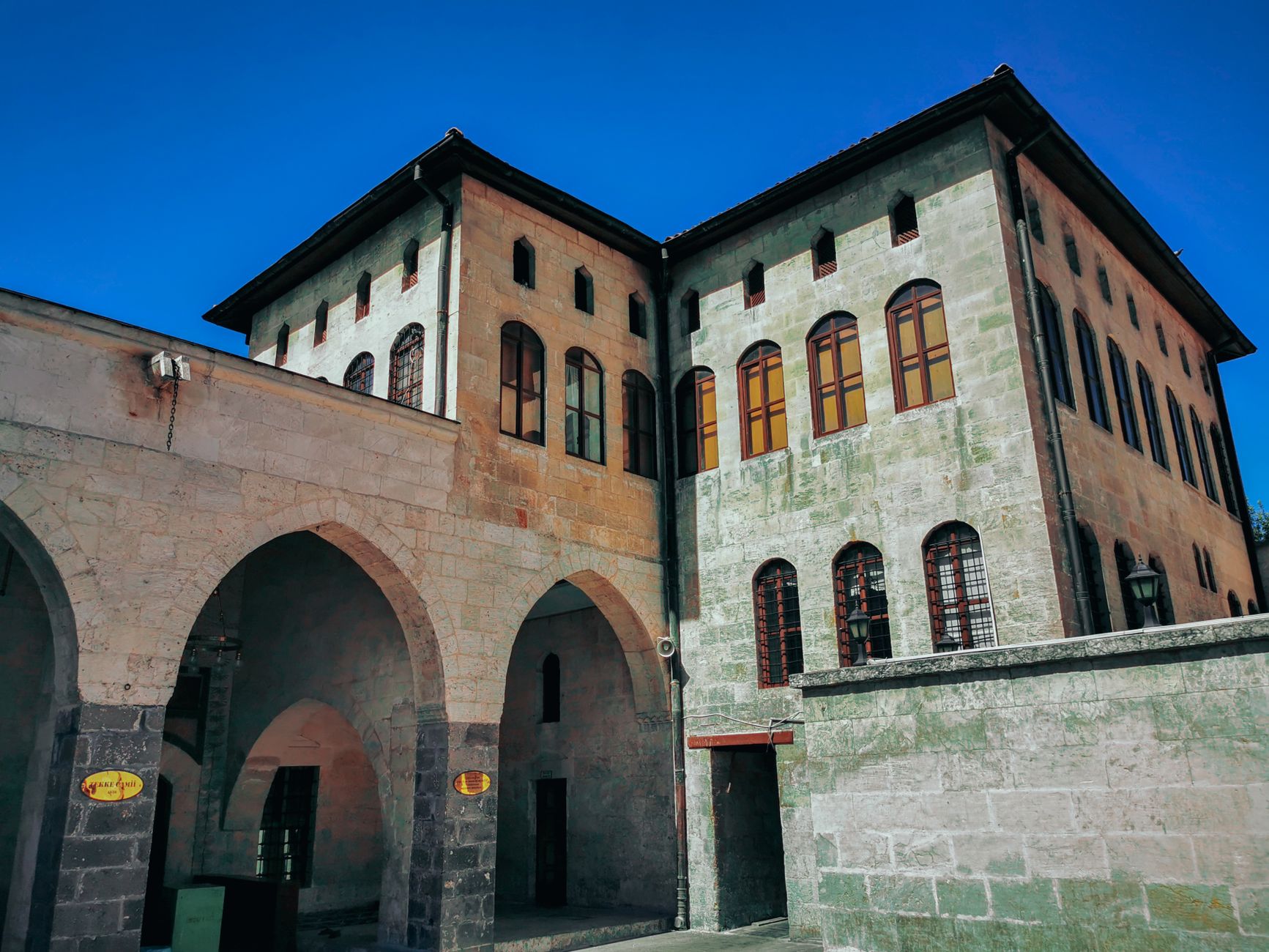
定制游 Gaziantep
Turkey's gastronomy capital — baklava, kebap, and copper.
定制旅游介绍 — Gaziantep?
Gaziantep is best experienced through the Zeugma Mosaic Museum (9 a.m. opening for the Gypsy Girl mosaic), dawn beyran soup before 8 a.m., the copper bazaar, pistachio baklava at İmam Çağdaş, and the castle viewpoint at sunset. Two full days covers the city; combine with a half-day to Göbeklitepe (1 hour east) for one of the world's most important archaeological sites.
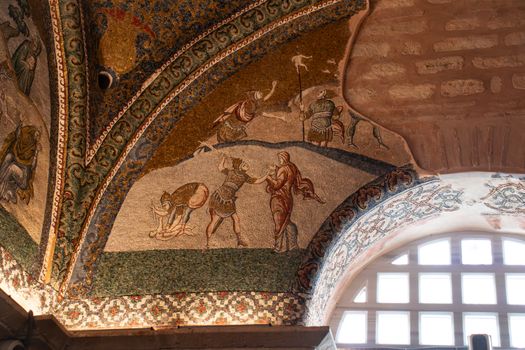
Gaziantep holds the most important Roman mosaic museum in the world. The Zeugma Mosaic Museum — opened 2011 in a purpose-built climate-controlled complex — houses 1,700 square metres of mosaic floors rescued from the ancient city of Zeugma before it was submerged by the Birecik Dam reservoir in 2000. The Gypsy Girl mosaic (2nd century CE, 80 × 80 cm, extraordinarily fine tessellation) is Turkey's most reproduced ancient image. Arrive at 9 a.m. when the museum opens; the mosaics are lit to simulate the natural light of their original dining room settings, and the first morning hour has the smallest crowds.
The city's food culture is so distinct that UNESCO awarded Gaziantep Creative City of Gastronomy status in 2015 — only the second city in Turkey after Istanbul. The specificity of Gaziantep cuisine relates to its position on the Silk Road junction: Iranian saffron, Aleppo pepper from 40 km east (now Syrian conflict territory), and pistachios from the city's own orchards combine in dishes unavailable elsewhere. The correct dish to understand Gaziantep is beyran çorbası — a soup of lamb, rice, and rendered fat eaten at dawn, traditionally served only before 8 a.m. at specialist shops. Ordering it at 7 a.m. at İmam Çağdaş or Yüzevler on Kale Caddesi is the correct first morning activity.
The Gaziantep Castle (Kalesi) is a 6th-century Byzantine fortification expanded by the Seljuks, whose inner ramparts now house the Panorama 1915 Museum — a controversial immersive display of the Gaziantep defence during the 1920 Franco-Turkish War (Battle of Aintab), not to be confused with the Armenian Genocide of 1915, despite the name. The castle's inner courtyard at sunset is the finest free viewpoint in the city — the terracotta-tiled old city stretches south, and on clear winter days, the Syrian plain is visible.
最佳出游月份 — Gaziantep?
我们推荐的月份是 April–May, September–November. 以下是逐月规划参考。
精选体验 — Gaziantep
由我们的本地合作伙伴精心挑选的旅行体验。每次定制旅游都包含其中部分——或更好的选择。
行程样本
两个出发方案——您的实际行程将完全定制。我们从此出发。
7天经典线路
- 1第 1: Beyran at Dawn & Zeugma MuseumReach Kale Caddesi by 7 a.m. for beyran çorbası — lamb, rice, and rendered fat soup served only at breakfast at specialist shops; order with an extra portion of crispy lamb pieces. Walk 5 minutes uphill to Gaziantep Castle for morning views over the old city. At 9 a.m. when it opens, enter the Zeugma Mosaic Museum — buy a combined ticket, plan 2.5–3 hours minimum. The Gypsy Girl mosaic in Room 3 is the anchor; but the larger floor compositions in Room 1 (Oceanus and Tethys, 2nd century CE, 50 m²) show how complete a Roman triclinium floor can be. Lunch at Metanet Lokantası inside the bazaar — home-style Gaziantep cooking with no tourist pricing.
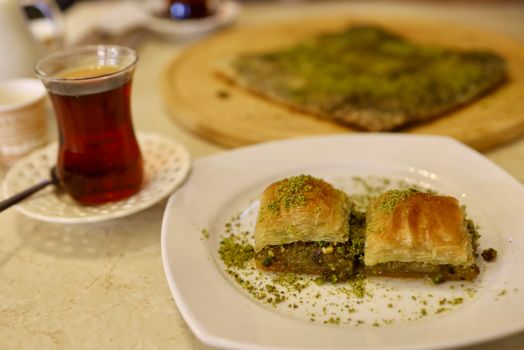
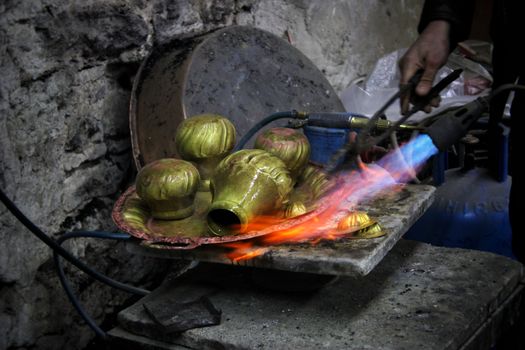
- 2第 2: Copper Bazaar & Pistachio RouteThe Bakırcılar Çarşısı (Copper Bazaar) has operated continuously since Ottoman times — handmade copper trays, coffee sets, and water pipes beaten in view. Arrive at 9 a.m. before it crowds. Walk to the Tahmis coffee shop — a 300-year-old institution where Gaziantep-style menengiç coffee (made from wild pistachio tree berries, not coffee beans, with a resinous woodland flavour) has been served since 1635. Afternoon: pistachio orchards are accessible by taxi 15 km west — the Antep pistachio variety, smaller and more aromatic than Iranian or Californian, is harvested in September. The best baklava in Gaziantep is at İmam Çağdaş (since 1887) — 40 layers of filo, Antep pistachios, clarified butter, and sugar syrup, eaten warm at the counter.
- 3第 3: Göbeklitepe — World's Oldest SanctuaryDrive 1 hour northeast to Göbeklitepe — carbon-dated at 9,600 BCE, making it 7,000 years older than Stonehenge and the oldest known ritual complex in human history. The T-shaped limestone pillars (up to 5.5 metres tall, 16 tonnes) are carved with foxes, snakes, and duck figures by pre-agricultural hunter-gatherers who had no writing, wheels, or metal tools. The discovery has rewritten the sequence of civilisation — the 'religion precedes agriculture' hypothesis now has physical evidence. Visitor access via a covering structure; a guide adds context to what is otherwise confusing without knowledge of the excavation sequence. Return to Gaziantep for dinner.
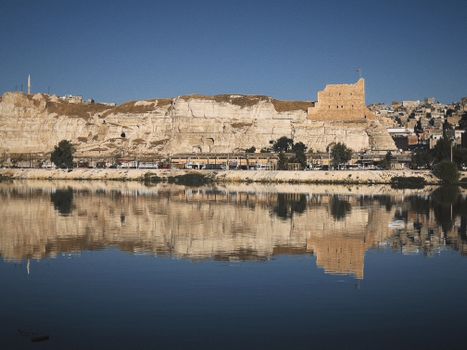
- 4第 4: Nizip & Belkıs-Zeugma SiteDrive 50 km east to Nizip, then Belkıs village — the above-water portion of the Zeugma archaeological site, where continuing excavation since the 2000 dam flooding has revealed additional mosaics and a Roman villa complex. The Birecik Dam reservoir is now visible; the drowned city lies 30 metres below. The Birecik bridge over the Euphrates is a centuries-old crossing point — the Silk Road crossed here. Have lunch of perde pilavı (wedding pilaf: rice with almonds and chicken wrapped in pastry, baked until golden) at a Nizip lokanta.
- 5第 5: Şanlıurfa — City of ProphetsDrive 145 km east to Şanlıurfa (2 hours), also known as Urfa or 'the city of prophets' for its association with Abraham, Job, and Nimrod. Balıklıgöl (Pool of Abraham) is a spring where, according to tradition, Nimrod threw Abraham into fire that became water — the carp in the pool are sacred and may not be harmed. The Ulu Cami mosque and adjacent bazaar are the most authentic in the region. Urfa kebap is differentiated by the use of isot pepper (dried and oiled, from local cultivation) producing a dark, earthy heat profile. Return to Gaziantep or overnight in Urfa.
- 6第 6: Gaziantep Archaeology Museum & Old HousesThe Gaziantep City Museum occupies a restored 19th-century stone mansion and traces the city's Silk Road history through ethnographic objects, Ottoman documents, and photographs. The Emine Göğüş Culinary Museum (a 300-year-old stone house, 400 m from the castle) holds a comprehensive display of Gaziantep gastronomy tools and preserved dishes. Afternoon: old city stone mansion houses in the Teslimiye and Yaprak neighbourhoods — some open as boutique hotels, one as a free open-house museum. Sunset from the castle ramparts.
- 7第 7: Yesemek Open-Air Museum & DepartureDrive 90 km south to Yesemek — the largest open-air Hittite sculpture workshop in the world, where 300 carved basalt sphinx and lion figures were left in production stages when the workshop was abandoned 3,200 years ago. The sculptures are scattered in situ across a hillside, unguarded and unrestricted — you can touch 3,200-year-old Hittite art. Return to Gaziantep and transfer to Oğuzeli International Airport (15 km south of city centre) for afternoon flight.
14天深度游
- 1第 1: Beyran Dawn & Zeugma7 a.m. beyran çorbası, castle view, Zeugma Museum 9 a.m. (Gypsy Girl, Oceanus floor), bazaar lunch.
- 2第 2: Copper Bazaar & BaklavaBakırcılar Çarşısı copper beating, Tahmis 1635 menengiç coffee, İmam Çağdaş baklava warm at counter.
- 3第 3: GöbeklitepeWorld's oldest ritual complex (9,600 BCE), T-shaped pillars, guided tour for excavation sequence context.
- 4第 4: Belkıs-Zeugma SiteAbove-water excavation at Zeugma, Birecik Euphrates crossing, perde pilavı lunch in Nizip.
- 5第 5: Şanlıurfa Day TripPool of Abraham sacred carp, Ulu Cami bazaar, isot pepper Urfa kebap, Abraham cave.
- 6第 6: Harran Beehive Houses30 km south of Urfa: mud-brick conical houses continuously inhabited since 8,000 BCE, Abraham's Well, Crusader castle ruins.
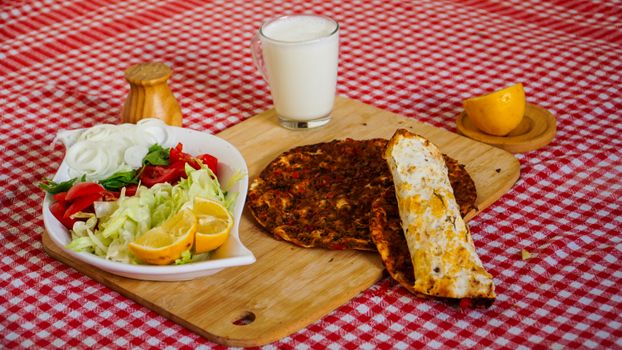
- 7第 7: Gaziantep Food TourHalf-day guided gastronomy walk: mıhlamalı breakfast, katmer pastry with clotted cream, lahmacun at the original thin-crust recipe shops.
- 8第 8: Yesemek Hittite WorkshopOpen-air Hittite sculpture studio: 300 unfinished basalt sphinxes scattered across a hillside, touchable, free, unguarded.
- 9第 9: Adıyaman & Nemrut DağıDrive 150 km north to Nemrut Mountain (2,150 m) — 1st-century BCE commagene king's sanctuary with 10-metre carved stone heads. Sunrise or sunset visit; closest accommodation at Kahta.
- 10第 10: Dülük Baba Temple & Mithras CultDoliche/Dülük sanctuary north of Gaziantep — cult birthplace of Jupiter Dolichenus, Roman army's favourite eastern deity. Active German-Turkish excavation.
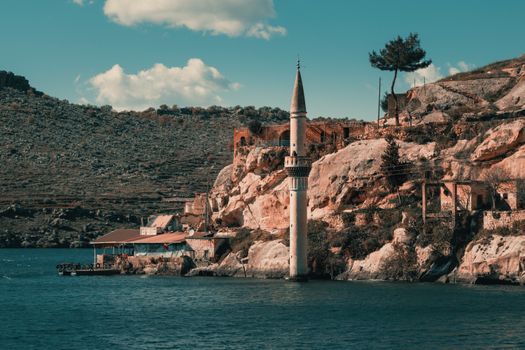
- 11第 11: Halfeti Sunken VillageDrive 130 km: Euphrates reservoir flooded Halfeti village, old mosque minaret visible above water; boat to submerged stone streets; black rose (regionally unique flower).
- 12第 12: Gastronomy Deep DiveMorning cooking class: yuvalama (meatball and chickpea soup), fıstıklı kebap (pistachio-stuffed lamb kofta); afternoon olive oil soap market.
- 13第 13: Zeugma Museum Evening SessionReturn at 4 p.m. when tour groups leave; afternoon light in the mosaics gallery is different from morning; extended time with the Navigation Mosaic and Eros figures.
- 14第 14: Departure via BirecikMorning bald ibis spotting at Birecik (endangered species captive breeding station), return to Gaziantep airport.
实用信息
常见问题
Why is Gaziantep known as a food city?+
Gaziantep received UNESCO Creative City of Gastronomy status in 2015 for a cuisine developed over centuries at the intersection of Persian, Arab, and Ottoman trade routes. Key ingredients are local: Antep pistachios (smaller, more resinous than other varieties), isot pepper (a locally dried and oiled dark pepper from Urfa), and lamb from regional pastures. Signature dishes — beyran çorbası (dawn lamb soup), katmer (flaky pastry with clotted cream and pistachios), and baklava with the thinnest filo in Turkey — cannot be authentically replicated elsewhere because the ingredients are genuinely different.
How far is Göbeklitepe from Gaziantep and how do I visit?+
Göbeklitepe is 155 km northeast of Gaziantep (2 hours by car via Şanlıurfa). The most efficient approach is a private hire from Gaziantep combining Göbeklitepe with Şanlıurfa's Pool of Abraham in a single day. The site is open 8 a.m.–6 p.m. daily; entrance is around €10. A guide is strongly recommended — the site's significance is invisible without context about the excavation phasing and what pre-agricultural people capable of this construction tells us about the origins of civilisation.
What is the Zeugma Mosaic Museum and how important is it?+
The Zeugma Mosaic Museum holds the largest collection of Roman mosaics in the world by floor area (1,700 m²), rescued in emergency excavations before the ancient city of Zeugma was flooded by the Birecik Dam in 2000. The Gypsy Girl mosaic is the most famous image — a 2nd-century CE portrait of extraordinary emotional depth and technical precision. The museum itself won architectural awards for its climate-controlled preservation system; most mosaics remain in their original floor arrangements rather than being fragmentary.
Is Gaziantep safe to visit given its proximity to Syria?+
Gaziantep is approximately 90 km from the Syrian border and has received significant Syrian refugee populations. The city itself is safe for tourists — the main sites, bazaars, and restaurant districts are busy with local commerce and have had no security incidents targeting visitors. The border region south of the city (toward Kilis) is not on any tourist route. Standard urban awareness applies; the city's central districts are as safe as any major Turkish city.
Where can I eat authentic Gaziantep baklava?+
İmam Çağdaş (since 1887) on Uzun Çarşı is the benchmark — 40 filo layers, fresh Antep pistachios, clarified butter made from local sheep. Order at the counter and eat warm; the pastry has been made the same way for four generations. Koçak Baklava and Güllüoğlu (Gaziantep branch) are also respected. The tourist-oriented shops near the castle charge premium prices for inferior product; the authentic shops are in the covered bazaar and on Kale Caddesi.
大家还问
- Is Göbeklitepe really the oldest temple in the world?
- What is beyran soup and where can I eat it in Gaziantep?
- How do I get from Istanbul to Gaziantep?
- What is Antep pistachio and why is it special?
- Can I visit Şanlıurfa from Gaziantep as a day trip?
- What is the best museum in Gaziantep?
- What is Gaziantep called in ancient history?
- How many days do I need in Gaziantep?
准备好规划您的 Gaziantep之旅了吗?
与我们的AI礼宾助手交流——只需两分钟描述您的梦想旅行。