
Individuelle Reisen nach Papua New Guinea
800 languages, tribal sing-sings, and Kokoda Trail history.
Was ist eine Individualreise nach Papua New Guinea?
Papua New Guinea is best experienced across the Highland culture shows (Goroka Show in September, Mount Hagen Show in August), Milne Bay diving (mandarinfish at dusk), and the Kokoda Track for serious trekkers (10–12 days, guide mandatory). Fly into Port Moresby (POM) then domestic connections. Best season: May–October (dry season). PNG requires significant planning; use a licensed local operator.
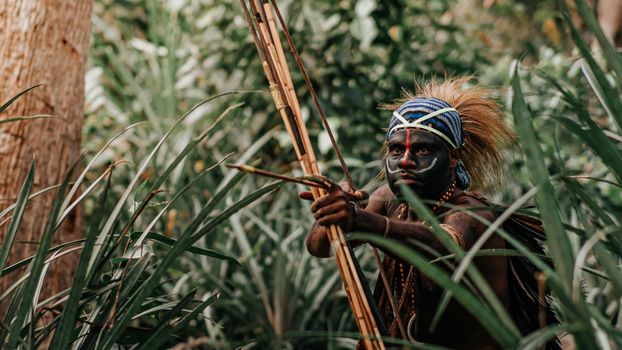
Papua New Guinea occupies the eastern half of the world's second-largest island and contains the greatest linguistic diversity on Earth — 840 languages spoken by 9 million people, representing 13% of all human languages. The country's geographic isolation (the central mountain spine, peaking at Puncak Jaya/Carstensz Pyramid at 4,884 m, prevented coast-to-coast travel until 1930s airstrips) allowed distinct cultures to develop in adjacent valleys for thousands of years. The Goroka Show (September, Eastern Highlands Province) and the Mount Hagen Show (August, Western Highlands) are the two major Sing-Sing (cultural festival) events — 70–100 tribal groups gathering in elaborate traditional dress for competitive performance, the most concentrated display of living tribal culture accessible to outsiders in the world.
The Coral Triangle apex — where the Solomon Sea, the Bismarck Sea, and the Pacific meet around the PNG coast — makes Papua New Guinea's underwater environment among the most biodiverse in the world. Milne Bay Province (the southeastern tip) is considered the finest diving destination in the Pacific: the Tufi Fjords (drowned river valleys), the Padre Pio wreck, the night diving for mandarinfish (Synchiropus splendidus, the world's most colourful fish, visible only at dusk in specific rubble habitats) at the Milne Bay liveaboard circuit. Kimbe Bay (West New Britain) has the second-highest concentration of Coral Triangle species and a whale shark cleaning station accessible from shore.
The Kokoda Track — a 96-km jungle trail through the Owen Stanley Range connecting Port Moresby to the northern coast — is the defining military history trek of the Pacific War. Between July–November 1942, Australian and Papua New Guinean Fuzzy Wuzzy Angel soldiers fought the Japanese advance along this track under conditions of extreme hardship — the track has no infrastructure (no teahouses, no shelters, no bridges), the elevation change totals 5,000 m cumulative, and the humidity and mud create conditions comparable to Himalayan trekking in difficulty. The Kokoda Track is now the most significant Australian heritage experience outside Australia; approximately 4,000 Australians walk it annually.
Was ist die beste Reisezeit für Papua New Guinea?
Unsere empfohlenen Monate sind May–October. Hier ein monatlicher Überblick mit Planungshinweisen.
Highlights in Papua New Guinea
Handverlesene Erlebnisse unserer lokalen Veranstalter. Jede Individualreise beinhaltet eine Auswahl davon — oder etwas noch Besseres.
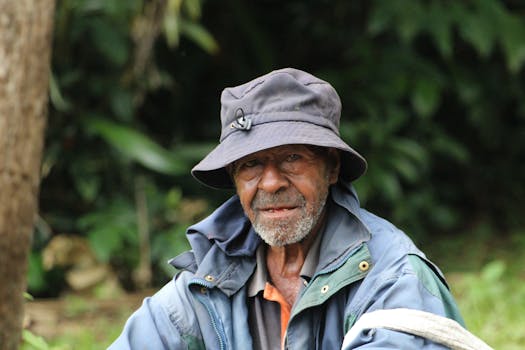
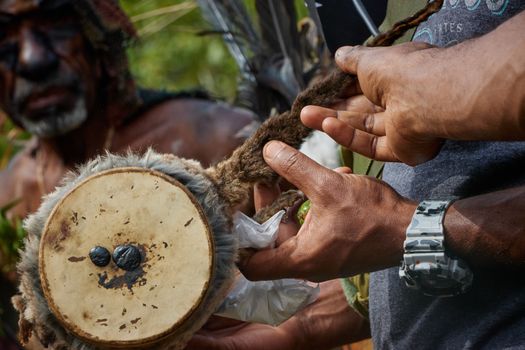
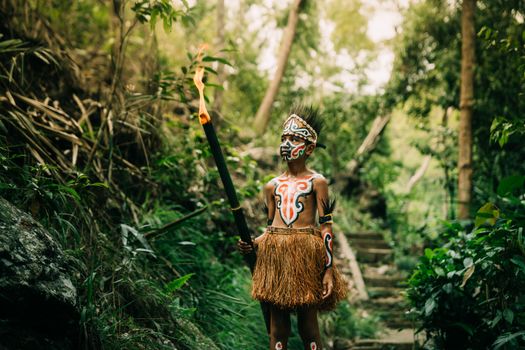
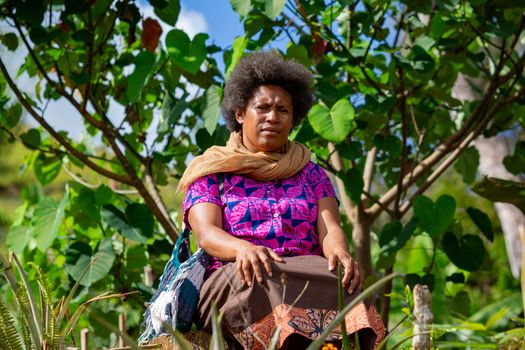
Musterreiserouten
Zwei Ausgangspunkte — Ihre echte Reiseroute ist individuell. Wir bauen darauf auf.
7 Tage Klassiker
- 1Tag 1: Arrival Port Moresby & Cultural MuseumFly into Jackson's International Airport (POM, well-served from Brisbane, Cairns, Singapore, and Manila). Port Moresby has a challenging reputation for crime (the city has significant inequality and opportunistic theft). Use your hotel transfer or a licensed taxi; do not walk city streets independently. The PNG National Museum and Art Gallery (Waigani, free, opens 9 a.m.–5 p.m.): the best single overview of PNG's cultural diversity — traditional masks (the most varied mask tradition outside sub-Saharan Africa), bilum weaving (the net bag carried by PNG women, the national cultural object), canoe prow carvings, and the Hiri Moale trading canoe replica. The PNG Tourist Promotion Authority office in Port Moresby can provide current safety information and operator recommendations.
- 2Tag 2: Fly to Goroka — Highland EntryFly from Port Moresby to Goroka (GKA, Air Niugini, 1 hour, PGK 400–600). Goroka (1,580 m, Eastern Highlands) is the gateway to the PNG Highlands culture — a highland town of 30,000 with a cool climate (15–25°C year-round) and the surrounding villages of the Chimbu, Gahuku-Gama, and other highland groups. The Goroka Show (second Saturday–Monday of September): 100+ cultural groups in full traditional dress — elaborate wigs, face paint, feather headdresses, shell bilas (decoration) — perform traditional dances competitively. Book accommodation 6–12 months ahead for Show dates (the few hotels fill completely).
- 3Tag 3: Goroka Cultural Village VisitsOutside Show dates: arrange village visits through a licensed Goroka tour operator (around USD 80–150 per person per day including guide and transport). The Simbu (Chimbu) people north of Goroka have some of the most elaborate traditional dress — the male display wig (made from human hair, takes 6 months to grow) and the face painting (geometric patterns in white, yellow, and red from natural pigments). The Goroka Cultural Centre (adjacent to the town centre) displays traditional artefacts with context. The Highland valleys: the coffee and sweet potato farming villages (coffee is PNG's primary export crop; the Highlands grow high-altitude Arabica beans at 1,400–2,000 m altitude).
- 4Tag 4: Mount Hagen & Wahgi ValleyFly or drive 200 km west to Mount Hagen (HGU, Air Niugini, 45 minutes). Mount Hagen is the second-largest city in PNG (70,000) and the commercial capital of the Highlands. The Mount Hagen Show (third weekend of August — the largest cultural show in PNG): 80+ tribal groups from the Western Highlands, Enga, and Simbu provinces. The Wahgi Valley orchid farm (30 km east of Hagen): the Wahgi valley floor is the breadbasket of the Highlands, covered with subsistence gardens and the traditional Highland pig economy (pigs as currency in bridewealth). The Kuk Swamp World Heritage Site (30 km from Hagen): the oldest evidence of agriculture in the world (7,000 BCE drainage channels in the highland swamp — agriculture in New Guinea predates agriculture in most of Eurasia).
- 5Tag 5: Milne Bay — Dive DestinationFly from Moresby to Alotau (GUR, Air Niugini, 1 hour) — the capital of Milne Bay Province. Milne Bay is considered the finest diving in the Pacific outside the Coral Triangle specialists: 14,000 coral species, 600 fish species, and the mandarinfish (Synchiropus splendidus, the world's most colourful fish) visible at dusk in rubble habitats 1–3 m depth. The Milne Bay liveaboard circuit (7–10 day dive boats: Papua Diving, MV Chertan) covers the Tufi Fjords (drowned valleys with giant gorgonian fans, grey reef sharks, and hammerheads), the Ex-HMAS Ballarat wreck (WWII Australian destroyer), and the night macro sites.
- 6Tag 6: Mandarinfish Dusk DiveThe mandarinfish dive at Milne Bay: at 5:30 p.m. (30 minutes before sunset), the male mandarinfish emerges from the rubble to perform its courtship display — the most colourful fish in the world (psychedelic blue, green, orange, and black pattern, no scales, the colour from chromatophores in the skin) is 6 cm long and visible at 1–3 m depth for approximately 20 minutes before the light fades. A macro photography focus and a red light (the fish are not disturbed by red wavelength) allow extended observation. The dive guide positions the group facing the rubble pile as multiple males display simultaneously. A night dive after the mandarinfish adds the Spanish dancer nudibranch and the orange-tipped nudibranch diversity.
- 7Tag 7: Return Port Moresby & DepartureReturn flight from Alotau to Port Moresby (1 hour). Airport area hotel for the Port Moresby night transit. The PNG Handicraft Centre at Jackson's Airport has the best and most reliable selection of PNG crafts available without going into the city: bilum bags (the authentic highland net bags from specific provinces have distinct pattern traditions), Sepik River masks (from the Chambri Lakes area — the most elaborate wood-carving tradition in PNG), and kina shell jewellery (the kina shell was the traditional currency; the currency is named after it). POM airport international departure.
14 Tage Tieftauchen
- 1Tag 1: Port Moresby ArrivalPOM airport, licensed hotel transfer, National Museum bilum and mask collection, licensed taxi only.
- 2Tag 2: Fly to Goroka1-hour Air Niugini, 1,580 m highlands, Chimbu elaborate wig culture, Goroka Show September (book 12 months ahead).
- 3Tag 3: Goroka Cultural VillageLicensed operator village visits (USD 80–150/day), Simbu display wig (6-month growth), geometric face painting, Arabica coffee farms at altitude.
- 4Tag 4: Mount Hagen ShowAugust: 80+ tribal groups, PNG's largest cultural festival, Western Highlands and Enga tribal performances.
- 5Tag 5: Kuk Swamp World Heritage Site7,000 BCE drainage channels — oldest evidence of agriculture in the world, predating Mesopotamian agriculture, open-air archaeological site.
- 6Tag 6: Fly to Alotau — Milne Bay1-hour flight, 14,000 coral species, 600 fish species, liveaboard booking or resort near Alotau.
- 7Tag 7: Milne Bay Diving — Day 1Tufi Fjords gorgonian fans, grey reef sharks, hammerheads, WWII Ex-HMAS Ballarat wreck.
- 8Tag 8: Mandarinfish Dusk Dive5:30 p.m. rubble habitat, world's most colourful fish (6 cm, no scales), 20-minute courtship display window, red light photography.
- 9Tag 9: Milne Bay Liveaboard Day 3Padre Pio wreck diving, night macro session (Spanish dancer nudibranch, ornate ghost pipefish), new site daily.
- 10Tag 10: Sepik River JourneyFly from Port Moresby to Wewak (WWK), then boat journey up the Sepik River (the 'Amazon of the Pacific') to the Chambri Lakes — the world's finest wood-carving tradition, spirit house (haus tambaran) architecture.
- 11Tag 11: Sepik Haus TambaranThe spirit house (haus tambaran) at Palimbei or Kanganaman: the most elaborate traditional building form in Oceania, the carved crocodile totems, and the secret male ritual objects (restricted viewing — women and uninitiated are excluded from specific sections).
- 12Tag 12: Kokoda Track — First DayAccess from Kokoda village (by road from Popondetta) or Owen's Corner (from Port Moresby): the 96-km track requires 10–12 days total, 5,000 m cumulative elevation, no infrastructure — this day's content introduces the Australian WWII memorial context at the start.
- 13Tag 13: Chimbu (Simbu) ProvinceThe most visually dramatic landscape in the PNG Highlands: the Simbu Gorge road, the traditional village architecture of the Kuman people, and the highest density of elaborate traditional dress in the Southern Highlands.
- 14Tag 14: Final Port Moresby & DeparturePNG Handicraft Centre at Jackson's Airport (bilum bags by province, Sepik River masks, kina shell jewellery), POM international departure.
Praktische Informationen
Häufig gestellte Fragen
Is Papua New Guinea safe for tourists?+
Papua New Guinea has a genuine security concern that visitors must plan for: Port Moresby and Lae have significant rates of 'raskol' (gang) crime including violent robbery. The practical response: do not walk city streets independently, use licensed hotel transfers and taxis, avoid carrying obvious valuables, and book through reputable operators who manage transport. The Highland towns (Goroka, Mount Hagen) are significantly safer than Port Moresby for street-level walking. Rural and village areas (with a guide) are generally safe and welcoming. The risk is concentrated in urban centres and on specific road corridors; it is manageable with planning, not a reason to avoid the country entirely.
What is a Sing-Sing and how do I attend one?+
A Sing-Sing is a gathering of PNG tribal groups for competitive cultural performance — each group representing their specific cultural traditions through dance, song, costume, and body decoration. The major shows (Goroka Show in September, Mount Hagen Show in August) are the most accessible: run by the provincial governments, open to international visitors, with ticket sales at the gate (PGK 50–100). At the shows, 70–100 groups perform simultaneously on a large field — the spectacle of hundreds of people in full traditional dress (elaborate feather headdresses, face paint, shell bilas, and bark cloth) is visually overwhelming and genuine. Photography is permitted; always ask specific individuals before photographing them (some groups charge a small fee, others are happy without payment).
What makes PNG diving special?+
Papua New Guinea sits at the apex of the Coral Triangle — the epicentre of marine biodiversity. The Milne Bay circuit is specifically noted for: the highest macro photography biodiversity in the Pacific (pygmy seahorses, nudibranchs, ghost pipefish, frogfish), the mandarinfish (viewable at dusk in rubble habitats), the Tufi Fjords (geological formation unique in the Pacific, drowned river valleys with walls of coral), and WWII wreck diving (numerous Allied and Japanese vessels sunk in the Papua campaign). The water is 27–29°C year-round; visibility varies 10–30 m. Kimbe Bay (West New Britain) offers whale shark cleaning station diving with regular encounters.
What is the Kokoda Track?+
The Kokoda Track is a 96-km trail through the Owen Stanley Range in Papua New Guinea, following the route of the 1942 Kokoda Campaign — the fighting between Australian, PNG, and Japanese forces that stopped the Japanese advance on Port Moresby and marked the turning point of the Pacific War in the Southwest Pacific. The track requires 10–12 days and is considered one of the most difficult multi-day treks in the world: 5,000 m cumulative elevation gain, no infrastructure (no teahouses, limited shelter, unbridged river crossings), and extreme humidity. A licensed guide is mandatory; porters are strongly recommended. The trek is almost exclusively an Australian and Papua New Guinean pilgrimage — approximately 4,000 Australians complete it annually as a military history memorial experience.
What is the bilum and why is it significant?+
The bilum is a string bag handmade by PNG women from plant fibres (traditionally, now also from commercial yarn) using a unique looping technique (not crocheting or knitting — each loop is individually tied). The bilum is carried by almost all PNG women and many men as a universal carrying bag — babies, food, and personal items are all transported in the bilum. Each Highland province and lowland region has distinct pattern traditions: Simbu (Chimbu) bilums use tight geometric diamond patterns; East Sepik bilums use figurative designs. The bilum as a cultural object represents women's skill, regional identity, and traditional technology that has been in continuous use for thousands of years. The PNG constitution incorporates bilum imagery; the national flag's southern cross is set against the bilum pattern.
Andere fragen auch
- What is Papua New Guinea famous for?
- How many languages are spoken in Papua New Guinea?
- What is the Goroka Show?
- Is PNG safe for tourists?
- What is the Kokoda Track?
- What is the mandarinfish dive in PNG?
- What is a bilum bag?
- What is the best diving in Papua New Guinea?
Bereit, Ihre Papua New Guinea-Reise zu planen?
Chatten Sie mit unserem KI-Concierge — zwei Minuten für Ihre Traumreise.