Viajes a medida a Guatemala
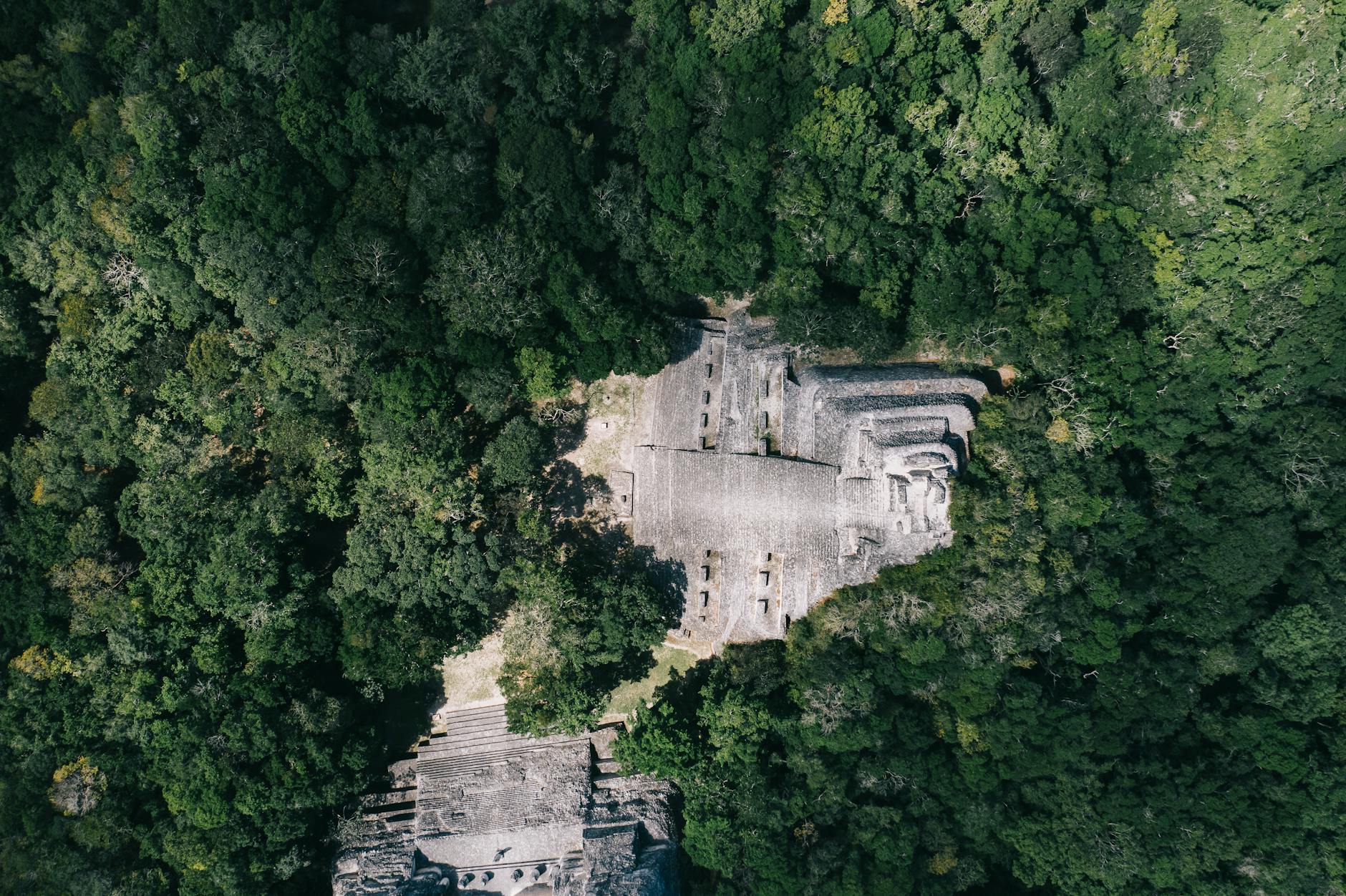
Antigua colonial, Tikal pyramids, Lake Atitlán volcanoes.
¿Qué es un viaje a medida a Guatemala?
Guatemala's essentials: Antigua (colonial UNESCO city + Acatenango overnight volcano hike), Chichicastenango market (Thursday/Sunday, 7 a.m.), and Lake Atitlán (Santiago Atitlán for Maximón, San Juan la Laguna for natural-dye textiles). Fly into Guatemala City (GUA). Best season: November–April (dry, 20–25°C). Spanish language essential — bring basic phrases. The Q (quetzal) is around 7.7 per USD 1.
Guatemala has the largest Maya population in the world — 41% of the country's 17 million people identify as Indigenous Maya, speaking 22 distinct Maya languages (K'iche', Mam, Kaqchikel, Q'eqchi', and 18 others) alongside Spanish. This is not historical — the traditional woven textiles (huipil blouses with community-specific patterns that encode village identity, marital status, and clan affiliation in the weave structure), the Maya calendar system (still in use in some communities for agricultural and ceremonial timing), and the market culture (the Chichicastenango Thursday and Sunday market is the largest Indigenous market in Latin America, 100 km north of Guatemala City) are living practices. Antigua Guatemala (45 km west of Guatemala City, 1,530 m altitude) is the former colonial capital (1543–1776) — a UNESCO World Heritage Site of Spanish Baroque churches, cobblestone streets, and volcanoes framing every view.
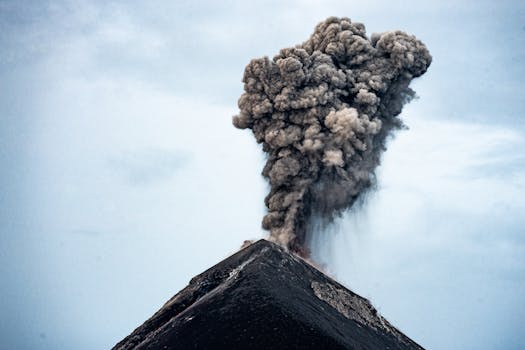
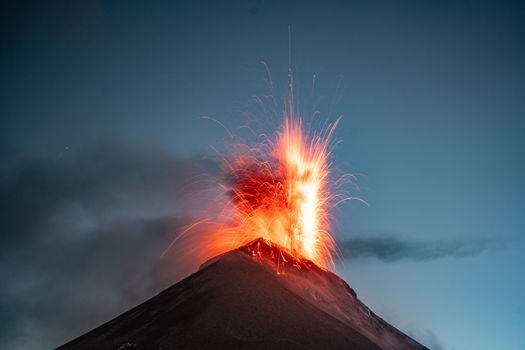
The three volcanoes visible from Antigua define the landscape: Volcán Agua (3,766 m, dormant, the symmetrical cone behind Antigua), Volcán Acatenango (3,976 m, the six-hour hike to the summit camping at 3,500 m for overnight views of the adjacent Volcán de Fuego erupting every 20–45 minutes through the night — the most viscerally spectacular volcano experience in Central America), and Volcán de Fuego itself (3,763 m, one of the most active volcanoes in the world, visible from Antigua and erupting continuously with lava flows visible at night). The Acatenango overnight hike (departs Antigua at 8 a.m., base camp at 3,500 m by 2 p.m., cold and windy summit camp, Fuego eruptions visible from across the gap all night) is the defining Guatemalan adventure experience.
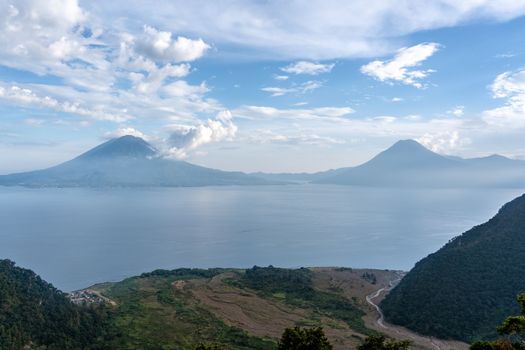
Lake Atitlán (100 km northwest of Antigua, 1,562 m altitude, accessible via Panajachel) is a caldera lake 18 km × 12 km, 340 m deep, surrounded by three volcanoes (San Pedro 3,020 m, Atitlán 3,535 m, Tolimán 3,158 m) and 12 Maya Tz'utujil and Kaqchikel villages along the shore. Aldous Huxley called it 'the most beautiful lake in the world' in 1934; it remains remarkable. The village of Santiago Atitlán is the centre of the cult of Maximón (also Rilaj Mam) — a syncretic deity combining Maya deity and colonial-era patron saint, kept in a rotating house in the community and honoured with offerings of rum, cigars, and incense. La Noche de las Nubes in San Marcos la Laguna (the spiritual tourism centre of the lake) and the textile market of San Juan la Laguna (natural dye weaving cooperative) are specific cultural experiences within the lake circuit.
¿Cuándo es la mejor época para visitar Guatemala?
Nuestros meses recomendados son November–April. Aquí una vista mensual con notas de planificación.
Las mejores experiencias en Guatemala
Momentos seleccionados por nuestras agencias locales. Cada viaje incluye una selección de estas — o algo mejor si lo encontramos.
Itinerarios de muestra
Dos puntos de partida — tu itinerario real es a medida. Construimos desde aquí.
7 días clásico
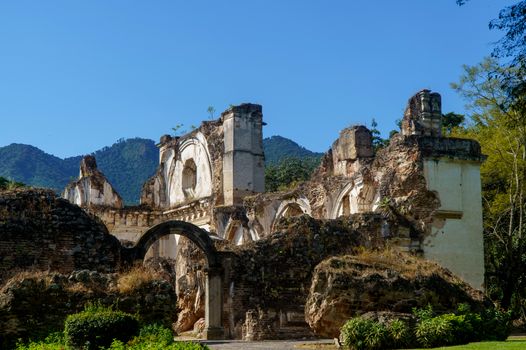
- 1Día 1: Arrival & AntiguaFly into La Aurora International Airport, Guatemala City (GUA). Shuttle to Antigua (45 km west, 1 hour, USD 12–15 from GUA via shuttle company). Antigua (altitude 1,530 m): the 1543 Spanish colonial capital, destroyed by earthquake 1773 and abandoned in favour of Guatemala City, now preserved as a UNESCO World Heritage Site. The cobblestone streets are 16th–18th-century — the Central Park (Parque Central): the colonial Baroque cathedral (Catedral de Santiago, 1680, partially ruined by the 1773 earthquake and left in partial ruin — the rootless shell exposed to the sky, the columns standing without a roof, one of the most beautiful ruins in the Americas), the Palace of the Captains General (1559), and the Antigua Arch (Arco de Santa Catalina, 1694 — the most photographed element of Antigua, a yellow arch spanning the street). The views of Volcán Agua from the arch's perspective at dawn are the city's signature image.
- 2Día 2: Acatenango Overnight Volcano HikeBook through an Antigua operator (OX Expeditions, Wicho and Charlie's, or Tropicana Hostel — USD 35–55 including guide, transport, tent, dinner and breakfast at base camp): depart Antigua at 7:30 a.m. to the trailhead at La Soledad (2,400 m). The 6-hour ascent to the 3,500 m base camp is through cloud forest — moss-covered trees, orchids, and the treeline at 3,200 m giving way to bare volcanic ash fields. Temperature at base camp: 5–10°C, dropping to 0–5°C at night (pack layers). Volcán de Fuego erupts every 20–45 minutes: the adjacent cone (200 m away across a saddle) sends up lava fountains visible at night, the ground rumbles, the ash smell drifts across. The summit push (6 a.m., 30-minute scramble to the Acatenango summit at 3,976 m) gives the full panorama of the Guatemala Highlands at sunrise.
- 3Día 3: Antigua Coffee & MarketsReturn from Acatenango to Antigua by noon. Antigua is surrounded by some of the best coffee farms in the world — the Antigua valley coffee (volcanic soil at 1,400–1,700 m, shade-grown under macadamia and avocado trees, wet-processed, 100% Arabica) is internationally recognised. A finca visit (Finca El Pilar, 7 km from Antigua, USD 20 guided tour including cupping): the organic certification, the hand-picking, the wet mill, and the cup tasting. The Jade Museum (4a Calle Oriente 34, Antigua, USD 5): the jade-carving tradition from pre-Columbian Maya — jade (jadeite, not nephrite) was more valuable than gold to the Maya. The mercado municipal (the local market, 4a Calle Poniente — not the tourist craft market): the vegetable and food stalls, the comedor counters (USD 3–5 set lunch: black bean soup, rice, stewed chicken, tortillas).
- 4Día 4: Chichicastenango MarketShuttle from Antigua to Chichicastenango (100 km north via Guatemala City, 3–4 hours, USD 15–20, operates Thursday/Sunday market days): the largest Indigenous market in Latin America, operating since before Spanish conquest (the Quiché Maya market at Chichicastenango is mentioned in colonial records from the 1520s). Thursday morning: arrive by 7 a.m. (shuttle departs Antigua at 4:30 a.m.) before the tour buses from Antigua arrive at 10 a.m. The market covers 10 city blocks: vegetables, fruit, live chickens, pottery, copal incense (offered at the steps of the Church of Santo Tomás, where Maya shamans conduct fire ceremonies on the church steps), huipil textiles (the best selection in Guatemala — each village pattern is distinct), and jade. The Church of Santo Tomás (1545, built on a Maya ceremonial platform): incense and candles burn on the steps while the interior serves simultaneous Catholic Mass and Maya ceremony.
- 5Día 5: Lake Atitlán — Panajachel & VillagesShuttle from Chichicastenango to Panajachel (Lake Atitlán, 30 km south, 1 hour, USD 10): Panajachel ('Pana') is the lake's main town and transport hub. The public lanchas (motorboats, USD 2–5 per journey) connect 12 villages around the lake. San Juan la Laguna (20 minutes by lancha west): the natural-dye textile cooperative (Lema Artisan Cooperative, guided visit free, see the cochineal dyeing process — the red dye from scale insects on cactus, the indigo dyeing from the Indigofera tinctoria plant, the traditional backstrap loom weaving). San Pedro la Laguna (adjacent to San Juan): the budget traveller centre with good comedores. The lake itself (340 m deep, 18 × 12 km) is best appreciated at 6 a.m. before the afternoon wind (xocomil — the wind that comes at noon).
- 6Día 6: Santiago Atitlán & MaximónLancha from Panajachel to Santiago Atitlán (30 minutes, USD 5): the largest Tz'utujil Maya village on the lake (45,000 population), where traditional clothing (the men wear striped white and purple pants with embroidered birds, an actively maintained tradition) is still the daily dress. The Maximón visit: the syncretic deity Rilaj Mam ('Maximón') is kept in a rotating community member's house each year. Ask at the docks for the cofradía member who will guide you for USD 2–3 (mandatory local guide, walking distance from dock). Maximón is a seated wooden figure dressed in layers of silk scarves, surrounded by offerings of rum (poured directly over his head), cigars (lit and placed in his mouth), and copal incense. Photography costs USD 5. The juxtaposition of Catholic imagery and pre-conquest Maya deity in the same ritual is specific to Santiago Atitlán and nowhere else.
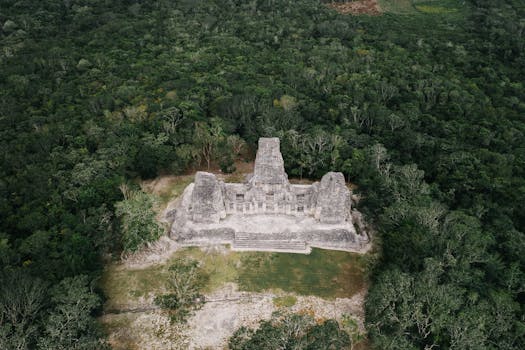
- 7Día 7: Tikal Day Trip or Return to Guatemala CityOption A (if flying out of Guatemala City next day): return Panajachel–Guatemala City (3 hours, shuttle USD 20). Option B (time-permitting add-on): fly to Flores, Petén for Tikal (Tikal National Park — the most impressive Maya site in Guatemala, Temple IV 65 m the tallest pre-Columbian structure in the Americas, accessible by sunrise 4 a.m. special permit for the dawn spider monkey choir from the summit, USD 150 with tour operator from Flores). Most 7-day Guatemala itineraries end at Lake Atitlán — return to Guatemala City (GUA) by shuttle or bus from Panajachel (3 hours). La Aurora airport departure: allow 2.5 hours for international security.
14 días en profundidad
- 1Día 1: Arrival & AntiguaGUA shuttle USD 12–15 1 hour, Antigua 1,530 m UNESCO, Arco de Santa Catalina 1694, Catedral de Santiago 1680 earthquake-ruined open-air shell, Volcán Agua framing every street.
- 2Día 2: Antigua Markets & JadeLocal comedor USD 3–5 set lunch, Jade Museum USD 5 Maya jadeite tradition, mercado municipal black bean/rice/tortilla culture, craft market on 4a Calle.
- 3Día 3: Acatenango OvernightUSD 35–55 all-inclusive, 7:30 a.m. departure, 6-hour ascent cloud forest, base camp 3,500 m, 5–10°C, Fuego eruptions every 20–45 minutes visible all night, 6 a.m. summit 3,976 m sunrise.
- 4Día 4: Return & Antigua CoffeeReturn by noon, Finca El Pilar USD 20 (volcanic soil coffee 1,400–1,700 m, cocoa and macadamia shade, cupping session), the Antigua coffee valley distinction (international competition winners).
- 5Día 5: Chichicastenango Market (Thursday)4:30 a.m. shuttle departure, arrive 7 a.m. before tour buses 10 a.m., 10-city-block Maya market operating since pre-conquest, Church of Santo Tomás fire ceremony on steps, huipil textile differentiation by village.
- 6Día 6: Lake Atitlán — Panajachel Arrival30 km south 1 hour USD 10, lancha system USD 2–5 per crossing, 6 a.m. lake before xocomil noon wind, Calle Santander craft shops, Rancho Grande historic hotel.
- 7Día 7: San Juan la Laguna Natural Dye TextilesLema Artisan Cooperative cochineal (red from scale insects on cactus) and indigo dyeing, backstrap loom demonstration, natural-dye textile purchase (the most authentic textile shopping at the lake).
- 8Día 8: Santiago Atitlán & MaximónUSD 5 lancha, Tz'utujil traditional dress (men's striped pants still daily wear), Maximón seated wooden figure in rotating house, rum and cigars offerings, USD 2–3 local guide USD 5 photography.
- 9Día 9: San Marcos la LagunaThe lake's spiritual centre (meditation retreats, yoga, New Age tourism coexisting with Maya community), Las Pirámides meditation centre (4-week courses or day visits), cliff jumping at the dock.
- 10Día 10: Tikal Day Trip — FloresFly Guatemala City–Flores (GUA–FRS, 1 hour USD 80–120), sunrise Tikal 4 a.m. special permit USD 150 with guide (howler monkey dawn chorus from Temple IV summit, spider monkeys at Temple I), return afternoon flight.
- 11Día 11: Semuc Champey7 hours north of Guatemala City (Lanquín, Cobán route): the series of turquoise travertine pools over a natural limestone bridge at 1,000 m, the best freshwater swimming in Guatemala (USD 15 entry, 4WD access via shuttle from Cobán).
- 12Día 12: Cobán & Cardamom CountryAlta Verapaz: Guatemala produces 70% of the world's cardamom (the pods visible drying on every roadside), Finca Sacbalam orchid collection (USD 15), Verapaz coffee (shade-grown at 1,200–1,800 m).
- 13Día 13: Return to AntiguaShuttle return from Panajachel or Cobán to Antigua, final Parque Central evening (the ruined cathedral lit at night), Casa Santo Domingo hotel restaurant (inside a 17th-century monastery ruin, USD 30–40 dinner).
- 14Día 14: DepartureAntigua–GUA shuttle USD 12–15 1 hour, La Aurora airport 2.5-hour international departure buffer, exit tax USD 30 included in most tickets since 2010.
Información práctica
Preguntas frecuentes
What is the Chichicastenango market?+
The Chichicastenango market (Thursday and Sunday, in Chichicastenango, El Quiché department, 100 km north of Antigua) is the largest traditional Indigenous market in Latin America, operating on the same site since before Spanish colonisation — the Quiché Maya market is described in colonial accounts from the 1520s. The market covers 10 city blocks around the Church of Santo Tomás with thousands of vendors: traditional woven textiles (huipil blouses with village-specific patterns, jaspe woven skirts, embroidered bags), vegetables, live animals, pottery, copal incense, and jade. Arrive before 7 a.m. — the organised tour buses from Antigua arrive at 10 a.m. and prices increase accordingly. The incense ceremonies on the church steps (conducted by Maya shamans, or ajq'ij, simultaneously with Catholic services inside) are one of the most visually striking examples of religious syncretism in the world.
What is the Acatenango volcano hike?+
The Acatenango overnight hike is widely considered the best volcano experience in Central America. The hike begins at La Soledad (2,400 m, 30 km from Antigua) and takes 5–6 hours to the base camp at approximately 3,500 m. The base camp is directly opposite Volcán de Fuego, separated by a saddle — Fuego erupts every 20–45 minutes, launching lava 200–400 m into the air and illuminating the night. The sound of the eruptions and the smell of sulfur reach the base camp continuously. The morning summit push to Acatenango's peak (3,976 m) takes 30 minutes and provides a sunrise panorama of the Guatemala Highlands. The hike costs USD 35–55 through Antigua operators including guide, transport, tent, sleeping bag, dinner and breakfast at base camp. Altitude sickness is a risk — acclimatise in Antigua (1,530 m) for at least 1 day before the ascent.
What is Lake Atitlán and why is it famous?+
Lake Atitlán is a volcanic caldera lake in the Guatemala Highlands (1,562 m altitude, 340 m deep, 18 × 12 km) surrounded by three volcanoes and 12 traditional Maya villages. Aldous Huxley described it in 1934 as 'the most beautiful lake in the world' in 'Beyond the Mexique Bay' — a description that has been repeated in every subsequent travel account. The lake's beauty combines the caldera geometry (perfectly circular rim of mountains), the volcanic peaks rising 2,000 m above the lake on the south shore, and the Indigenous Maya villages with active traditional life on the shoreline. The afternoon wind (xocomil, 'the wind that carries away sin' in Tz'utujil) creates waves by noon most days, making morning the best time for lake kayaking or swimming.
What is Maximón in Santiago Atitlán?+
Maximón (pronounced mah-shee-MON, also called Rilaj Mam — 'The Ancient One' in Tz'utujil Maya) is a syncretic deity specific to the villages around Lake Atitlán, particularly Santiago Atitlán. He is represented as a seated wooden figure dressed in layers of silk scarves and traditional clothing, kept in a rotating community member's house each year (the location changes annually, requiring a local guide to find). Offerings include rum (poured over the figure), cigars (lit and placed in his mouth), and copal incense. The figure combines elements of a pre-Columbian Maya deity (possibly Mam, the god of time and agriculture), the colonial-era Catholic patron saint, and possibly Judas Iscariot. Local traditionalists do not explain the full theological framework to outsiders. A local cofradía guide is required (USD 2–3) — the guide will walk you from the dock to the current house.
What are Guatemalan textiles and how are they made?+
Guatemalan Maya textiles are among the most complex in the world: the traditional huipil (women's blouse) is woven on a backstrap loom (a device consisting of two sticks with the warp threads stretched between them, one end attached to a tree and the other to a belt around the weaver's waist). The patterns encode community identity — each village has distinct colours, symbols, and geometric configurations. A single huipil takes 2–4 months to weave and, for the highest-complexity pieces, can have 400+ weft threads per inch. The patterns are not written down but passed from mother to daughter through practice. The natural dye textile cooperative in San Juan la Laguna uses traditional dyes: cochineal (carmine red from scale insects on nopal cactus, the same dye used in European Renaissance paintings), indigo (blue from Indigofera tinctoria plants), and black walnut. Contemporary Maya weavers navigate between traditional patterns and cooperative market economics.
La gente también pregunta
- What is the Chichicastenango market?
- What is Acatenango volcano hike?
- What is Lake Atitlán famous for?
- What is Maximón?
- What are Guatemalan huipil textiles?
- What is Tikal?
- Is Guatemala safe for tourists?
- What is the best time to visit Guatemala?
¿Listo para planificar tu viaje a Guatemala?
Chatea con nuestro concierge IA — dos minutos para describir el viaje de tus sueños.