定制游 Kuala Lumpur
Petronas Towers, three cuisines per block, and a tropical skyline.
定制旅游介绍 — Kuala Lumpur?
A custom Kuala Lumpur tour visits the Petronas Towers observation bridge at 8:30 a.m. (the first slot, before the city heat builds and the visibility drops), eats nasi lemak at a mamak restaurant in Bangsar at 7 a.m. with a Malaysian food journalist who explains the hierarchy of the national dish, walks the Brickfields Tamil Nadu cultural district with its festival preparations, and takes the KTM commuter train to the Batu Caves for the dawn light on the 272 steps before the tour buses arrive. The city rewards early mornings.
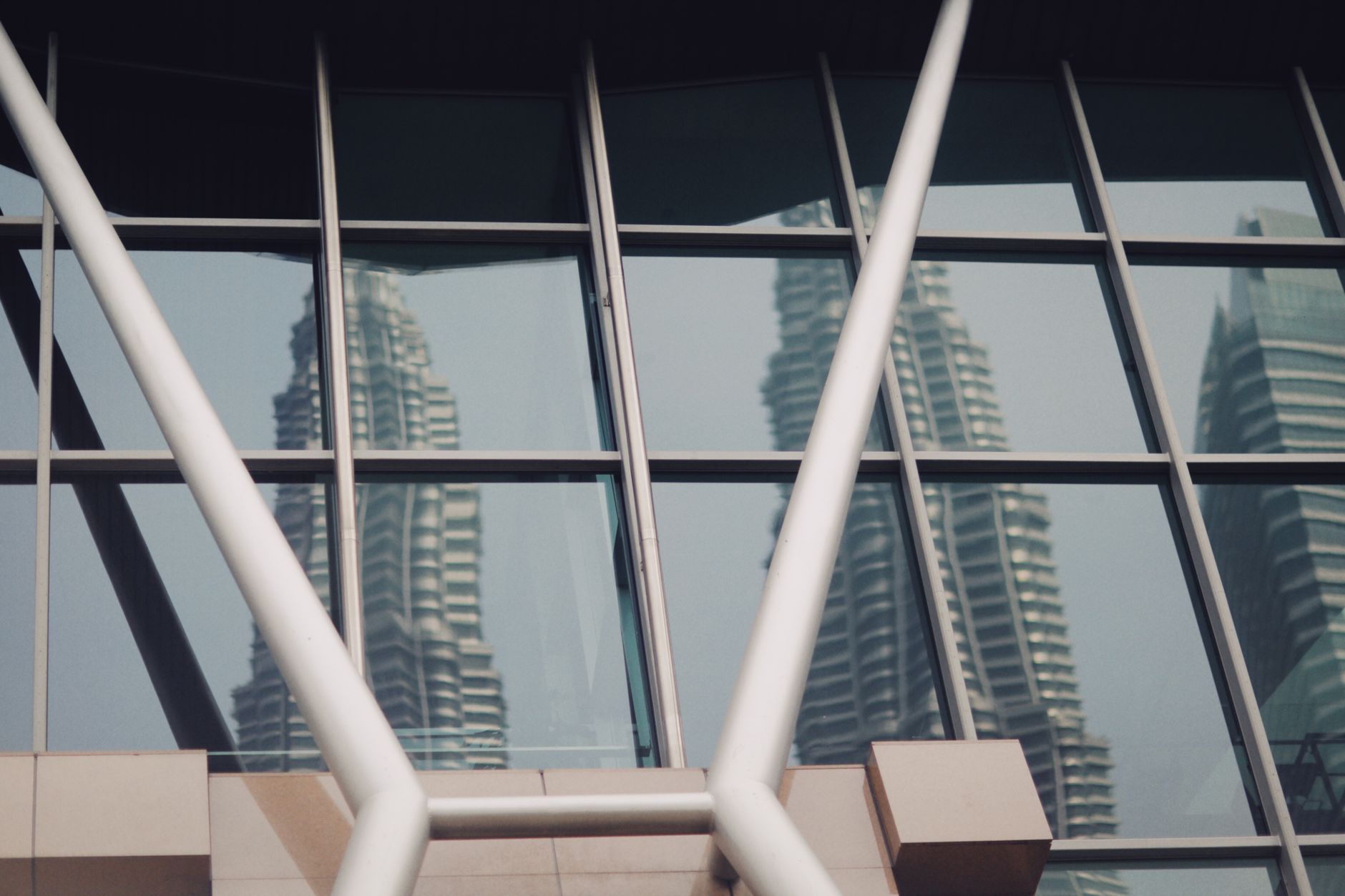
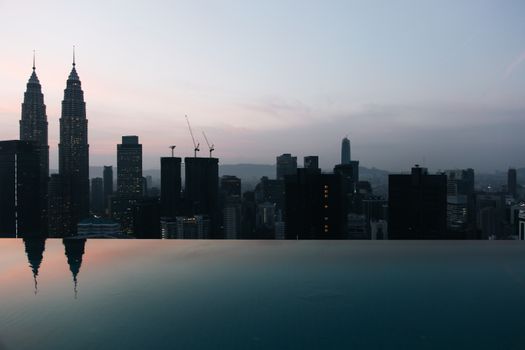
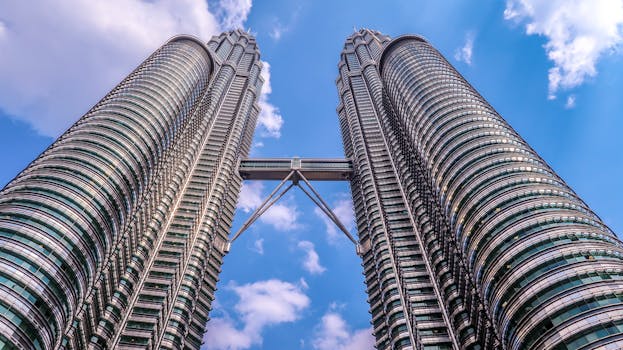
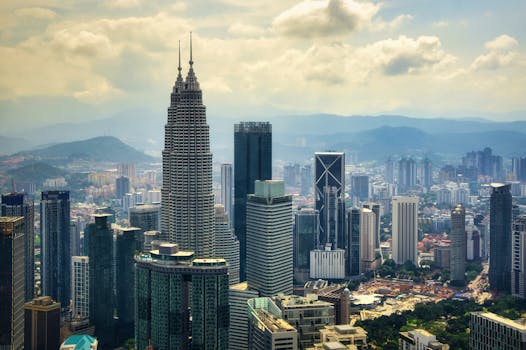
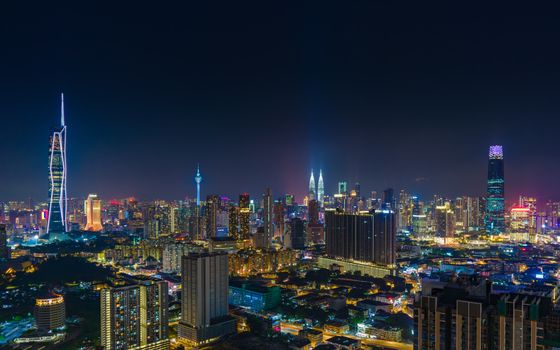
Kuala Lumpur is a city of 1.8 million people (8 million metropolitan) that became the capital of Malaysia only in 1857 — a tin-mining settlement at the confluence of two rivers (the Klang and the Gombak, which is what 'kuala lumpur' means: 'muddy confluence'), built by Chinese miners for the Selangor Sultanate, administered by British residents from 1874, and transformed into one of Southeast Asia's most dynamic cities in the 50 years since independence. The Petronas Twin Towers (452m, 1998–2004 the world's tallest buildings) remain the defining image, but the city's actual character is found in the diversity of its neighborhoods: the Chinese shophouses of Chinatown, the Indian temples and spice bazaars of Brickfields and Little India, the Malay quarter around Kampung Baru, and the colonial administrative district around Merdeka Square.
The food culture is the most immediate encounter: Kuala Lumpur is one of the great eating cities of Asia, with a democratic hawker culture (the kopitiam coffee shop tradition) operating alongside Michelin-starred restaurants. Nasi lemak (the national dish — coconut rice, sambal, anchovies, boiled egg, and peanuts, available at every hour), char kway teow (the Penang-style flat rice noodle), satay in Bangsar or the Kajang Satay House, and the roti canai at an Indian Muslim restaurant that opens at 6 a.m. for the office workers.
Year-round equatorial climate (28–33°C) with rainfall distributed throughout. The main monsoon periods (November–January northeast coast; May–September Sabah and Sarawak) affect outlying regions more than the capital. The KL city heat is managed by the world's best air-conditioned mall network. Tours start at €2,500 per person. Penang is 4 hours by bus or 1 hour by flight; Singapore is 5 hours by bus or 1 hour by flight.
最佳出游月份 — Kuala Lumpur?
我们推荐的月份是 March–October. 以下是逐月规划参考。
精选体验 — Kuala Lumpur
由我们的本地合作伙伴精心挑选的旅行体验。每次定制旅游都包含其中部分——或更好的选择。
行程样本
两个出发方案——您的实际行程将完全定制。我们从此出发。
7天经典线路
- 1第 1: Arrival & Chinatown — Petaling Street Night MarketKLIA Express from Kuala Lumpur International Airport to KL Sentral (28 minutes, the most efficient airport connection in Southeast Asia). Check in, then Chinatown: the Petaling Street covered night market is the most intense nocturnal market experience in KL — replica goods, dragon beard candy, and the pork-free stalls alongside the roasted pork shops that reflect the Chinese-Muslim border of this street. First KL meal: wonton mee (egg noodles, wonton soup, char siu, and the darkened soy sauce that distinguishes KL wonton from other versions) at the hawker stall that opened in 1958. The Sri Mahamariamman Temple (1873) at the street's end: the most ornate Hindu temple in KL.
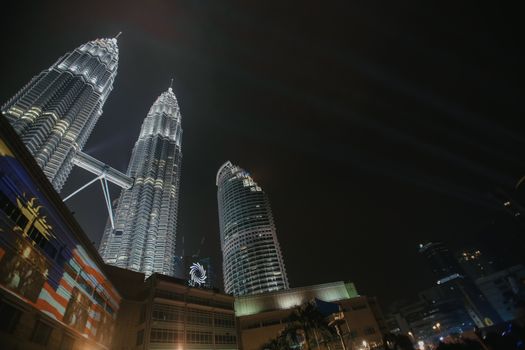
- 2第 2: Petronas Towers at 8:30 a.m. & KLCC ParkThe Petronas Twin Towers Sky Bridge (86th floor, 170m) and Observation Deck (88th floor, 370m) open at 9 a.m. — book the first available slot (8:30–9 a.m.) online 30 days in advance. The towers are Cesar Pelli's 1998 design in Islamic geometric motifs — the floor plan of each tower is derived from the Rub el Hizb (Islamic eight-pointed star). Your architectural historian explains the Malaysian government's decision to build the tallest towers in the world as a statement of post-colonial economic ambition. Then: KLCC Park (the 50-acre park beneath the towers) and Suria KLCC mall (the Aquaria KLCC aquarium in the basement for a contrast).
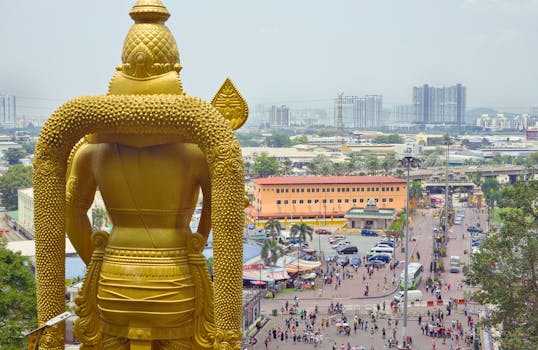
- 3第 3: Batu Caves at 7 a.m. & Little India15km north of KL: the Batu Caves limestone complex — a 400m-high karst outcrop containing the Thaipusam Festival's main venue (the Murugan statue, 42.7m tall, gold-painted, the world's tallest statue of Murugan) and the 272 rainbow-painted steps to the main cave temple. Arrive at 7 a.m. before the tour buses at 9 a.m. The cave interior: the Temple Cave with active Hindu shrines, the cave swiftlets (birds that built the original temple access by their presence), and the long-tailed macaques. Then: Brickfields (Little India) — the Tamil Nadu cultural quarter, the flower garland sellers, the banana leaf rice restaurants, and the Vivekananda Ashram.
- 4第 4: KL Food Tour — Nasi Lemak & Mamak CultureFull day with a Malaysian food journalist: 7 a.m. nasi lemak at the best nasi lemak stand in Bangsar (the coconut rice, the sambal made fresh that morning, the crispy anchovies from Sabah, the hard-boiled egg, and the roasted peanut — each element's quality is independently significant). Then: the morning kopitiam (coffee shop) circuit in Chow Kit — the kopi (the Malaysian-Chinese coffee roasted with butter and sugar and brewed through a cloth sock), the half-boiled eggs with kaya toast (the toasted bread with coconut jam and butter). Then: roti canai at the Indian Muslim mamak restaurant that has been flipping bread since 5 a.m. for the construction workers.
- 5第 5: Merdeka Square & Colonial DistrictMerdeka Square (Independence Square): the 95m flagpole from which the Malaysian flag was raised at independence in 1957, flanked by the Moorish-Gothic Royal Selangor Club (1890) and the Sultan Abdul Samad Building (1897, the most photographed colonial building in Malaysia). Your colonial history specialist explains the British Resident system (the residential advisors who ran the Malay states nominally under Sultans from 1874) and how KL became the capital. Then: the Central Market (Pasar Seni, the art deco market hall) and the National Mosque (Masjid Negara, 1965 — the first modern mosque in Malaysia, designed by a committee of local and British architects using the 18-point star motif).
- 6第 6: Kampung Baru & Bukit BintangKampung Baru is a Malay reservation dating from 1900 — a neighborhood of traditional Malay wooden stilt houses (rumah Melayu) and Saturday night pasar malam (night market) that has survived in the center of a city of glass towers by legal designation. The houses are scheduled for demolition repeatedly; residents have repeatedly refused. Your cultural guide explains the Malay land rights issue. Then: Bukit Bintang, KL's shopping and entertainment district — the Pavilion KL and Lot 10 mall, the Jalan Alor food street (evening: the outdoor tables of char kway teow, BBQ chicken wings, and oyster omelette that run from 5 p.m. to 2 a.m.).
- 7第 7: Forest Research Institute Malaysia (FRIM) & Departure16km north of KL: the Forest Research Institute Malaysia (1929) is a 600-hectare forest reserve with a canopy walkway at 30m above the lowland rainforest floor. Dawn walk (7 a.m.): hornbills in the canopy, monitor lizards on the forest floor, and the Sungai Kroh waterfall accessible by a 30-minute forest trail. The forest is primary secondary — never logged, 60 years of succession from rubber plantation back toward primary forest. Your naturalist explains the Malaysian rainforest ecology and the FRIM's research role. KL International Airport departure.
14天深度游
- 1第 1: Arrival & Chinatown Night MarketKLIA Express 28 minutes, Petaling Street 1958 wonton mee, Sri Mahamariamman Temple 1873.
- 2第 2: Petronas Towers at 8:30 a.m.Islamic geometric floor plan, first available slot, architectural historian on post-colonial ambition.
- 3第 3: Batu Caves at 7 a.m.42.7m gold Murugan statue, 272 rainbow steps, cave temple before 9 a.m., Brickfields banana leaf rice.
- 4第 4: Malaysian Food TourBangsar nasi lemak 7 a.m., kopitiam kopi through cloth sock, 5 a.m. roti canai mamak for construction workers.
- 5第 5: Merdeka Square Colonial District1957 independence flagpole, British Resident system history, 1897 Sultan Abdul Samad Building.
- 6第 6: Kampung Baru & Jalan AlorMalay stilt house reservation surviving in glass tower city, Jalan Alor char kway teow until 2 a.m.
- 7第 7: FRIM Canopy Walk600-hectare forest reserve, 30m canopy walkway at 7 a.m., hornbills, 60-year forest succession.
- 8第 8: Penang Day Trip — Georgetown1-hour flight or 4-hour bus to Penang. Georgetown's UNESCO old town: the 19th-century Chinese clan jetties (stilted houses above the Penang harbor), the street art murals of Ernest Zacharevic, the Kapitan Keling Mosque (1801), and Sri Mahamariamman Temple. Then: Penang food — the asam laksa (sour mackerel fish curry noodle soup), the char kway teow (Penang's version, cooked over very high heat with cockles), and the cendol (shaved ice with green rice flour jellies, palm sugar, and coconut milk) from the stall on Penang Road since 1936.
- 9第 9: Penang — Penang Hill & Clan JettiesPenang Hill (830m, funicular railway from 6:30 a.m.) with views over the Malacca Strait and the mainland hills. Then: the clan jetties — the five remaining Chinese clan family jetties (Chew Jetty, Lim Jetty, Tan Jetty) where the original fishing families from Guangdong still live in houses above the harbor on wooden poles. Some families have been on the same jetty since 1880. Return to KL by late afternoon.
- 10第 10: Malacca — Portuguese, Dutch, British UNESCO Town2-hour bus to Malacca (Melaka): the UNESCO-listed historic trading port city that was the entrepôt of Southeast Asian trade from 1400 to the present. The Porta de Santiago (the last remaining gate of the Portuguese A Famosa fortress, 1511, the oldest European building in Southeast Asia), the Dutch-era Stadthuys and Christ Church, and the Jonker Street Chinese shophouse quarter. Your historian explains the successive colonizations — Portuguese (1511–1641), Dutch (1641–1795), British (1795–1957) — and how the Peranakan culture of KL originated in the Chinese-Malay intermarriage of Malacca's trading community.
- 11第 11: Islamic Arts Museum & National MuseumThe Islamic Arts Museum Malaysia (1998) is one of the finest Islamic art museums in the world — the architecture collection models of mosques from across the Islamic world (from the Prophet's Mosque in Medina to the Hagia Sophia), the Quran manuscripts gallery, and the textiles from Anatolia, Persia, and the Malay archipelago. Then: the National Museum (1963): the pre-independence Malay kingdom history, the natural history gallery, and the Malay royal insignia. Your historian explains the Malaysian national identity — the synthesis of Malay, Chinese, and Indian communities under the constitutional monarchy.
- 12第 12: Taman Negara National Park Day Trip3-hour drive north to Taman Negara: the oldest rainforest in the world (130 million years old, predating the Amazon). The world's longest canopy walkway (500m at 40m height) and the Orang Asli (indigenous people) village at Kuala Tahan. Your naturalist explains the Malaysian rainforest ecosystem — the 600 species of birds, the 200 species of mammals (including tiger, elephant, and sun bear), and the relationship between the Orang Asli communities and the forest resources that the park was created to protect.
- 13第 13: KL Contemporary Art & DesignThe National Visual Arts Gallery (NVAG): the Malaysian contemporary art collection, with the 20th-century transition from colonial-influenced representational work to contemporary Malaysian abstraction. Then: the Ilham Gallery in the Ilham Tower (the Bernard Chandran-designed building in the Golden Triangle) — the most rigorous private contemporary art space in KL. Then: the Publika shopping mall in Solaris Dutamas, which houses a cluster of independent design studios, art galleries, and the Sunday farmers market that has become KL's design community hub.
- 14第 14: Final Morning Kopitiam & DepartureLast morning: the Yut Kee kopitiam in Dang Wangi, open since 1928 — the roti bakar (toasted bread with kaya coconut jam and butter), the half-boiled eggs, and the kopi si kosong (black coffee with evaporated milk, no sugar, poured between two glasses to cool). The kopitiam experience is KL's most democratic institution: the same table serves the retired accountant, the construction worker, and the tourist, for the same food at the same price. KLIA Express from KL Sentral.
实用信息
常见问题
What is nasi lemak and why is it the national dish of Malaysia?+
Nasi lemak (literally 'fatty rice') is rice cooked in coconut milk, served with sambal (chili paste), fried anchovies, roasted peanuts, sliced cucumber, and a hard-boiled or fried egg. It is the national dish because it represents the complexity of Malaysian food culture — the rice is Malay, the anchovy is from the east coast, the sambal technique is shared between Malay and Indonesian traditions, and the peanut was introduced by the Portuguese. It is eaten at breakfast, lunch, dinner, and 3 a.m. at mamak restaurants. The hierarchy of quality is fierce — the best nasi lemak in KL is a genuine point of civic pride.
What is the kopitiam culture of Kuala Lumpur?+
Kopitiam (from Hokkien 'kopi' = coffee, 'tiam' = shop) is the Chinese-Malaysian coffee shop tradition — a semi-open-air cafe serving Hainanese-style coffee (roasted with butter and sugar, brewed through a cloth sock), roti bakar (kaya-and-butter toasted bread), half-boiled eggs in soy sauce, and hawker food from independent stall operators. The kopitiam is a democratic social institution — everyone sits at the same marble tables regardless of income. The Yut Kee (1928) and Koon Kee (1919) in KL are the oldest surviving examples. The competing mamak (Indian Muslim) restaurant serves the same social role with roti canai, mee goreng, and teh tarik (pulled tea).
Is Batu Caves worth visiting and how do I avoid the crowds?+
Yes — the limestone cave complex and the temple are extraordinary, and the Thaipusam festival (Tamil Hindu, January–February full moon) draws 1.5 million devotees. To avoid the peak tourist crowd: arrive before 8 a.m. when the tour buses from KL and Singapore depart (arriving at 9 a.m.–10 a.m.). The 272 steps are genuinely steep — they were repainted in 42 colors in 2018 as part of a private beautification project. The cave interior (Temple Cave) is in active use as a Hindu temple; appropriate dress and respectful behavior are required.
Is Kuala Lumpur worth visiting for more than a transit stop?+
Yes — KL is underrated as a destination in its own right. The reasons: the food culture (the best hawker food in mainland Southeast Asia, the only competitor to Singapore), the Petronas Towers architecture, the colonial district, the diversity of religious buildings (Hindu, Buddhist, Islamic, Christian, Sikh) within walking distance of each other in the city center, and the day trip range (Penang 1 hour by air, Malacca 2 hours by bus, Taman Negara 3 hours by road). A 4-day itinerary covers the city's essential culture; 7 days adds the day trips.
What is Malaysian food and how does it differ from Thai and Singaporean food?+
Malaysian food is a synthesis of Malay (coconut milk, chili, galangal, and belacan shrimp paste), Chinese (the Cantonese and Hokkien cooking of the immigrant community), and Indian (the southern Indian Tamil and Punjabi traditions that arrived with indentured workers in the British colonial period). Compared to Thai: less sweet, less lime-forward, more coconut-based. Compared to Singaporean: the same dishes but cheaper, less refined, and with more Malay food presence (KL has a larger Malay population proportion than Singapore). The Peranakan (Nyonya) cuisine — the Chinese-Malay hybrid food tradition — is also present in KL's Chinatown and Malacca.
大家还问
- Is Kuala Lumpur worth visiting?
- What is the best Malaysian food in KL?
- How do I get from KL to Penang?
- What is nasi lemak?
- What is the Petronas Towers?
- How many days do I need in Kuala Lumpur?
- Is Batu Caves worth visiting?
- What is Malaysian food like?
准备好规划您的 Kuala Lumpur之旅了吗?
与我们的AI礼宾助手交流——只需两分钟描述您的梦想旅行。